…And there, there overhead, there, there hung over
Those thousands of white faces, those dazed eyes,
There in the starless dark the poise, the hover,
There with vast wings across the cancelled skies,
There in the sudden blackness the black pall
Of nothing, nothing, nothing --- nothing at all.
- Archibald MacLeish (from The End of the World, 1928)
You go once a week to tai chi class and send your weight to the soles of your feet and down into the earth, while the rest of the time you float, hover, poise yourself to begin living your life again. Any minute now. Ready, set…
He is hesitant. You sit next to him on the sofa and, in the midst of conversation, he will take your hand and squeeze it as if for emphasis, yet something seems to be holding him back, and you wonder if it is you or your complicated circumstances.
You’ve taken a small break, watching a late movie from the couch that has become your father-in-law’s bed, while your father-in-law sits reading at his bedside, your bedside. You go in and touch his father’s shoulder gently. His father asks, “Everything okay? Do you need anything?” You quietly answer, “Thanks. It’s okay now, go to sleep. See you in the morning.” You go brush your teeth, and when you return you see he lies still, propped against the pillows, the sheet neatly folded over his chest, arms on top and fingers gently spread at his sides as your nurse friend and you left him earlier that evening, his eyes coma closed. You curl up beside him, but are as hesitant to stroke his cheek as you were that first night.
Neither of you touch the food, after all. He inexplicably reaches for your hand over and over while you talk. You cannot look away, nor can you bring yourself to kiss him, unwilling to intrude on the conversation he is directing with his voice, with his hands and with his eyes. When he finally begins to kiss you, and the kiss becomes definitive, you rise to leave the living room, but in the hallway he stops, saying, “Wait. Can I use your phone?” Hormone-boggled and perplexed, you shrug, “sure,” and think, great, here comes the defect in this perfect man. He says into the phone, “It’s me. It’s okay, thanks. You can go to sleep now. See you in the morning.” He hangs up, then laughs when he sees your face. “My father,” he says. “In case I missed the last train.”
“We were so nervous” you whisper, daring to rub a silky lock of his hair between your fingers. “You were so warm and so handsome and so shy with me. I could hardly believe you had really come, and yet there you were, looking into my eyes, softly squeezing my hand. I hardly dared to kiss you then, afraid of your response, so I waited for you.” And you lean over as if to kiss the lips of the man who has stolen your heart, but his lips are still and you have no permission. There will be no response.
In the starless dark of that first night, that first awkward but promising time, he dozes and you lie awake trying to still your heartbeat, regain your composure, wondering what you have risked, poised over the life you have been reconstructing from the tornado ruins of what had gone before, waiting for the next move of the one who lies there softly breathing –as all of them, the tornado maker included- have done. Who is to tell as he lies there, spent, recovering, lost to the world and to you, who could tell what he will see when he wakes? What he will think say do? You are hoping for recognition, but have learned to be ready for anything.
“You have made me happier than I ever hoped to be,” you say to his still, white profile. Remembering the thrill of having him want you so fiercely, so thoroughly, so absolutely, you hover, your hand poised to touch him, but you are as shy as you both were that first night, the shyness of the unknown. You are now most entirely his, but he is leaving, is in fact barely here, a transparent thread of a breath holding him yet with you, not enough anymore to begin to fill his diaphragm.
You’re lying in his arms, watching his sleeping face and considering all that separates you. Age, motherhood, culture, language: all poise as curtains to be drawn across the glimpse of paradise that you saw in his eyes and you felt in his touch. It grew in you like lava that erupted in him – you heard it in his gasping of your name. You hesitate over the urge to kiss him awake, reluctant to intrude but anxious to find out what this will be. He stirs, opens his eyes, reaches for you. There with vast wings he takes you in, leaving nothing behind.
“I will miss you” you continue to whisper, “as I spent my life missing you before”. You place your hand above his heart, over the catheter tubes and the morphine patch. “Only now I know what I will be missing.” You hover, poised to care for him or to let him go. Not wanting to intrude on his comatose, helpless, departing self, you trace the line of his long fingers that caressed you so carefully, so lovingly, and you wish you could once more call forth the taut curve of his cock, the thought of which even now brings a smile to your heartbroken face.
You close your eyes in the starless dark of your first night together as he holds you and says, “I have never felt so alive as I feel right now” and you still feel alive like that, but each breath he takes is more shallow than the last.
You’re lying beside him, watching his unconscious face, wondering how you are going to survive. He slowly exhales. You wait, wanting to say something else, but he draws no more breath. On vast wings he departs.
Slowly, you are learning the tai chi movements, and you breath in and imagine the sphere spinning inside you, cleansing and healing, and you breath out. But try as you might, you cannot seem to send your weight down to your soles, to the earth. You float, hovering, poised.
…Y allí, allí por arriba, allí, allí colgándose
Sus miles de caras blancas, sus ojos atolondrados,
Allí, oscura sin estrellas, suspendida, cerniéndose,
Allí con alas inmensas por los cielos cancelados,
Allí esa manta de negrura, el negro abrupto
De la nada, la nada, la nada --- nada en absoluto.
- Archibald MacLeish (fragmento de El fin del mundo 1928)
Acudes una vez a la semana a la clase de tai chi y envías tu peso hasta la planta de los pies y hacia la tierra, mientras que el resto del tiempo flotas, te ciernes suspendida a punto de empezar de nuevo a vivir tu vida. En cualquier momento. Preparada, lista…
Parece dudar. Estás sentada a su lado en el sofá y, en medio de la conversación, va cogiendo tu mano y la aprieta como para dar énfasis, pero hay algo que lo hace dudar, y te preguntas si eres tú o si son tus complicadas circunstancias.
Has tomado un pequeño descanso para ver una película en el sofá que se ha convertido en la cama de tu suegro, mientras que tu suegro lee sentado al lado de su cama, de vuestra cama. Entras y tocas suavemente el hombro de su padre. Su padre te pregunta, “¿Va todo bien? ¿Necesitas algo?” Contestas en voz baja, “Gracias. Va todo bien, vete a dormir. Nos vemos mañana.” Te lavas los dientes y cuando vuelves, ves que sigue igual que lo dejasteis hace unas horas tu amiga enfermera y tú, acomodado en las almohadas, con la sábana doblada sobre su pecho, sus brazos encima y los dedos suavemente explayados a su lado, sus ojos cerrados en coma. Te acurrucas a su lado, pero dudas en acariciar su mejilla, igual que dudaste aquella primera noche.
Ninguno de los dos tocáis la comida. Él, inexplicablemente, te coge de la mano una y otra vez mientras habláis. No puedes desviar la mirada, pero tampoco te atreves a besarlo, reacia a entrometerte en la conversación que dirige con su voz, con sus manos y con sus ojos. Cuando por fin comienza a besarte, y el beso se hace definitivo, os levantáis para dejar el salón, pero en el pasillo se para y dice, “Espera. ¿Puedo hacer una llamada?” Aturdida por las hormonas y algo perpleja, te encoges de hombros, “claro,” y piensas, genial, allí viene el defecto que tiene este hombre perfecto. Dice al auricular, “Soy yo. Va todo bien. Vete a dormir. Nos vemos mañana.” Cuelga, y luego se ríe al ver la cara que pones. “Mi padre,” dice. “Por si perdía el último tren.”
“Estábamos tan nerviosos,” susurras, y te atreves a coger entre tus dedos un mechón sedoso de su pelo. “Eras tan cálido, tan guapo pero tan tímido. Apenas podía creerme que habías venido y, sin embargo, allí estabas, mirándome a los ojos, apretándome suavemente la mano. Apenas me atrevía a besarte, temiendo tu respuesta, así que esperaba.” Y te inclinas como si fueras a besar los labios del hombre que te ha robado el corazón, pero sus labios no se mueven y no tienes permiso. No habrá ninguna respuesta.
En la oscuridad sin estrellas de aquella primera noche, esa torpe pero prometedora primera vez, mientras él dormita y tú permaneces despierta intentando ralentizar los latidos de tu corazón, serenándote, te preguntas qué es lo que has arriesgado, suspendida sobre esta vida que has ido reconstruyendo desde las ruinas del tornado de lo que antes había sucedido, esperando la respuesta del que respira suavemente entre sueños, al igual que todos -el del tornado incluido- han hecho. ¿Quién podrá saber –mientras él dormita, extenuado, recuperándose, perdido para el mundo y para ti- quién sabe lo que verá cuando despierte? ¿Qué pensará, dirá, hará? Esperas ser reconocida, pero estás preparada para lo que sea.
“Me has hecho más feliz de lo que jamás esperaba ser,” le dices a su perfil blanco e inmóvil. Te conmueves al recordar lo concienzuda, absoluta y ferozmente que te había deseado y tu mano se cierne sobre él para tocarlo, pero te notas igual de tímida que estabais los dos esa primera noche, la timidez de lo desconocido. Eres ahora enteramente suya, pero él se marcha, de hecho apenas sigue aquí, un hilillo fino de aliento le retiene aún contigo, aunque ni siquiera basta para empezar a llenar su diafragma.
Estás tendida en sus brazos, mirando su cara dormida y considerando todo lo que os separa. Los años, la maternidad, las culturas e idiomas: todos suspendidos como unas cortinas corridas ante el paraíso que vislumbraste en sus ojos y en sus caricias. Creció en ti como la lava que estalló en él –lo oíste cuando jadeó tu nombre. Dudas ante el impulso de despertarlo con besos, reacia a entrometerte pero ansiosa por saber qué es lo que va a haber. Él sale de su duermevela, abre los ojos, se inclina hacia ti. Allí con alas inmensas te toma para él, sin dejar atrás nada, nada en absoluto.
“Te echaré de menos” sigues susurrando, “igual que pasé mi vida echándote de menos antes”. Colocas tu mano por encima de su corazón, sobre los tubos del catéter y el parche de morfina. “Pero ahora sabré lo que es que echo de menos.” Te ciernes sobre él, preparada para cuidarlo o dejarlo marchar. Sin querer entrometerte en su partida comatosa e indefensa, trazas la línea de los largos dedos que te acariciaban con tanta ternura, con tanta afición, y deseas poder fraguar una vez más la curva tiesa de su polla, cuyo recuerdo aún ahora distrae con una sonrisa tu congoja.
Cierras los ojos en la oscuridad sin estrellas de vuestra primera noche juntos mientras te abraza y dice, “Nunca me he sentido tan vivo como me siento ahora mismo” y tú aún te sientes viva de esa manera, pero cada respiración suya es menos honda que la anterior.
Estás estirada a su lado, mirando su cara inconsciente, y te preguntas cómo vas a sobrevivir. Espira lentamente. Esperas, queriendo decir alguna otra cosa, pero no inspira. Sobre inmensas alas se marcha.
Lentamente vas aprendiendo los movimientos de tai chi; inspiras e imaginas que la esfera da vueltas, que te limpia y te sana, y exhalas. Pero por mucho que lo intentes, no consigues enviar tu peso hasta la planta de los pies, hacia la tierra. Flotas, te ciernes suspendida.
.
Showing posts with label IllustrationFriday. Show all posts
Showing posts with label IllustrationFriday. Show all posts
Tuesday, April 14, 2009

Saturday, March 28, 2009
Legendary / Legendario
Every little girl believes she is royalty misplaced, and even after she grows up she never really shakes off the feeling that somewhere out there is a prince and a castle with her name on them. This particular princess was not only misplaced, she also carried with her a small child and a string of alliances that had brought her before the sacrificial altar of resentment. On the brink of absolute cynicism, at the far end of trust, she was fully qualified to fill the role of damsel in distress, although she managed to mask it fairly well as she stood in the middle of the Plaza de Cataluña and greeted her gentleman prince. A feast was being laid for their first meal together, and they had each brought a gift, unaware that the other had done the same. They kept these gifts hidden on their journey to the banquet. As they jostled their way through the mid-day crowds, his long arm and broad shoulders curving over to protect her from the most exuberant merry-makers, they spoke of the previous day’s festivities commemorating Saint George’s slaying of the dragon, which spared yet another princess from being laid at yet another sacrificial altar.
The princess, almost consumed by anticipation, feared that the sparkle of hope she could not repress, try though she might, would pass unheeded and unrequited by the saintly prince who, she rationalized, was only doing a good deed for one less fortunate than he. Even though the smile he gave her was at times wide and inviting, it would suddenly turn self-deprecating, almost embarrassed, dimpling under his sparse, dark beard. As he poured more drink, she noticed the color in his smooth, high cheeks, which reflected the intense heat she felt on her own wine-flushed face. For that fleeting vision, she had to stay the fluttering of a thousand butterfly wings against her chest when she met his bright, joyful gaze. Her laugh, which called to him like silk-lined silver bells, rang false to her as she attempted to repress her escalating gaiety with a healthy dose of hard-earned skepticism. ‘He’s just being a gentleman,’ she scolded her flighty, enchanted imagination. ‘His nature is to please and entertain his tablemate, nothing more.’
The princess strove to avoid his penetrating gaze, and willed herself to look away toward the wineglass, the salt shaker, the oil cruet, so he would not detect the longing that threatened to invade her guarded, jaded heart, ravage it and then steal back out to wrap itself around him like a python. She kept her hands in her lap, refusing to leave them on top of the tablecloth where they might be exposed to a brief, inadvertent touch from him. She enjoined her befuddled self to indulge in the glow of his company -kind, attentive, handsome prince that he was. Just as she caught herself melting into his warm brown eyes, he reached behind his chair and, as he did so, he leaned in close to her, close enough so that she had to resolve to not back away, to hold her ground until she could feel the heat from his cheeks on her own. She blinked not. He said, smiling shyly: “I don’t know if you celebrate Sant Jordi…”. He unveiled his gift and offered it to her. Without looking away, she nodded and tried to keep her smile within the confines of her face as she answered, ‘Yes, I also brought something for you.” She drew in a breath – a mighty hallelujah- as she gazed upon his gift and felt suddenly inadequate in her reciprocal token. But he looked kindly upon the slim volume of modern, foreign tales, as if it were of far higher value, and he bestowed his brightest smile upon her.
"You must let me try it out on you," she offered when they left the banquet, as his gift was a book of recipes. “I’d be happy to be your guinea pig, whenever you’d like,” said he. Before she could be stopped, she heard herself ask him “this weekend?” and heard him answer, “Saturday”. She strolled giddily beside him back into the square. Still her prayers had not been answered, her request for a sign had not been satisfied, for she was an obtuse princess, and could not read subtlety. She turned to bid him farewell, content with the prospect of seeing him anon, yet as she lifted her cheek to him, the prince leaned down to take her lips in his and gently held them there. The princess raised her chastened fingers to stroke the soft beard at his jaw as they lost themselves to the kiss with which the python bound them immanently one to the other.
Every April, red roses bloom in the Plaza de Cataluña where the princess and her prince still stand entwined in their passionate, eternal embrace.
Toda niña se cree que es una princesa extraviada. Ni siquiera después de hacerse mayor consigue deshacerse de la idea de que en algún lugar le esperan un príncipe y un castillo propios. Esta princesa en particular no sólo se había extraviado, sino que durante su deambular había adquirido una hija pequeña, además de una serie de alianzas que le habían llevado finalmente ante el altar sacrificial del resentimiento. Rozando el más absoluto cinismo, y cada vez más distante de la confianza, estaba altamente cualificada para desempeñar el papel de damisela en apuros, aunque lograba enmascararlo bastante bien cuando, en medio de la Plaza de Cataluña, saludó al príncipe azul. Un festín les esperaba en la mesa que compartirían por primera vez, y ambos traían un regalo -sin saber que el otro había hecho lo mismo- que disimulaban durante su recorrido hacia el banquete. Al avanzar entre los empujones del bullicioso mediodía, su largo brazo y hombros anchos la protegían de los más exuberantes jaraneros mientras conversaban sobre las actividades del día anterior, diada de Sant Jordi, en honor al caballero que logró matar al dragón y salvar a otra princesa de otro altar sacrificial.
La princesa, con los nervios a flor de piel, se temía que el destello de esperanza que no conseguía reprimir, por mucho que lo intentara, no sería reconocido ni mucho menos correspondido por este santo quien, razonaba, daría a esta cita la consideración de un acto benéfico. Sin embargo, el príncipe le dirigía una amplia sonrisa que se ensanchaba a veces en una invitación, aunque parecía disculparse enseguida con la aparición de unos hoyuelos debajo de su despoblada barba morena. Rellenó las copas, y ella se fijó en el color subido de sus mejillas, que reflejaban el intenso calor con que el vino incendiaba su propia cara. Por culpa de esa fugaz visión, estaba condenada a refrenar el aleteo de mil mariposas contra su pecho cada vez que captaba esa mirada de luminosa alegría. Y aunque para él sonaban campanitas de plata forradas de seda cuando se reía la princesa, a ella le sonaba falso porque procuraba templar la creciente sensación de dicha con una gran dosis de escepticismo. ‘Sólo pretende ser un caballero,’ regañaba a su caprichosa y hechizada imaginación. ‘Su naturaleza le obligaría a agradar y a entretener a cualquier comensal, nada mas.’
La princesa esquivaba su mirada penetrante, distrayendo la vista hacia la copa de vino, el salero, la aceitera, para disimular el anhelo que amenazaba con invadir su corazón precavido y receloso, saquearlo y entonces salir a hurtadillas para envolver al príncipe como una pitón. Apretaba en el regazo sus dos manos, sin permitir que descansaran sobre el mantel donde quedarían expuestas a un posible roce involuntario de parte de él. Se instaba a si misma a dejar su aturdimiento y a entregarse al fulgor de la compañía de este buen príncipe atento y guapo quien, justo en el momento en que comenzaba a derretirse en aquellos cálidos ojos castaños, estiró el brazo detrás de su asiento. Al hacerlo, se inclinó hacia ella, tan cerca que ella no pudo alejarse, manteniéndose firme hasta sentir que el calor de las mejillas de él calentara las suyas también. No pestañeó. Él dijo, con una media sonrisa: “No sé si celebras Sant Jordi…”, descubrió su regalo y se lo ofreció. Sin desviar la mirada, ella asintió e intentó acotar la sonrisa dentro de los límites de su cara al contestar, ‘Sí, también he traído algo para ti.” Inspiraba lenta e intencionadamente -una portentosa aleluya- mientras hojeaba el regalo, sintiéndose repentinamente inadecuada en su detalle recíproco. Pero él tomó con magnanimidad el delgado volumen de modernos cuentos extranjeros, como si su valor fuese mucho mayor, y a la princesa le dedicó su sonrisa más deslumbrante.
"Has de permitir que lo estrene contigo," ofreció ella una vez hubiesen dejado atrás el banquete, porque su regalo había sido un libro de recetas. “Me encantaría hacer de conejo de indias, cuando quieras,” dijo él. Antes de que pudiera detenerse, se escuchó preguntarle “este fin de semana?” y le oyó contestar, “el sábado”. Vertiginosamente paseaba ella a su lado hasta volver a la plaza. Sin embargo no habían sido atendidas sus devociones ni esas oraciones que lanzó en búsqueda de una señal, porque ella era una princesa obtusa que no discernía la sutileza. Se giró para despedirse de él, contenta con la certeza de volver a verle en un futuro próximo, sin embargo cuando le alzó la mejilla, el príncipe se inclinó hasta tomar en sus labios los de ella y cobijarlos tiernamente allí. La princesa acercó sus dedos escarmentados hasta hundirlos en esa suave barba real, perdiéndose en el beso con el que aquella pitón les acoplaba inmanentemente uno a otro.
Cada abril florecen rosas rojas en la Plaza de Cataluña donde la princesa y su príncipe permanecen, eternamente fundidos en un dulce y apasionado abrazo.
24/04/98
The princess, almost consumed by anticipation, feared that the sparkle of hope she could not repress, try though she might, would pass unheeded and unrequited by the saintly prince who, she rationalized, was only doing a good deed for one less fortunate than he. Even though the smile he gave her was at times wide and inviting, it would suddenly turn self-deprecating, almost embarrassed, dimpling under his sparse, dark beard. As he poured more drink, she noticed the color in his smooth, high cheeks, which reflected the intense heat she felt on her own wine-flushed face. For that fleeting vision, she had to stay the fluttering of a thousand butterfly wings against her chest when she met his bright, joyful gaze. Her laugh, which called to him like silk-lined silver bells, rang false to her as she attempted to repress her escalating gaiety with a healthy dose of hard-earned skepticism. ‘He’s just being a gentleman,’ she scolded her flighty, enchanted imagination. ‘His nature is to please and entertain his tablemate, nothing more.’
The princess strove to avoid his penetrating gaze, and willed herself to look away toward the wineglass, the salt shaker, the oil cruet, so he would not detect the longing that threatened to invade her guarded, jaded heart, ravage it and then steal back out to wrap itself around him like a python. She kept her hands in her lap, refusing to leave them on top of the tablecloth where they might be exposed to a brief, inadvertent touch from him. She enjoined her befuddled self to indulge in the glow of his company -kind, attentive, handsome prince that he was. Just as she caught herself melting into his warm brown eyes, he reached behind his chair and, as he did so, he leaned in close to her, close enough so that she had to resolve to not back away, to hold her ground until she could feel the heat from his cheeks on her own. She blinked not. He said, smiling shyly: “I don’t know if you celebrate Sant Jordi…”. He unveiled his gift and offered it to her. Without looking away, she nodded and tried to keep her smile within the confines of her face as she answered, ‘Yes, I also brought something for you.” She drew in a breath – a mighty hallelujah- as she gazed upon his gift and felt suddenly inadequate in her reciprocal token. But he looked kindly upon the slim volume of modern, foreign tales, as if it were of far higher value, and he bestowed his brightest smile upon her.
"You must let me try it out on you," she offered when they left the banquet, as his gift was a book of recipes. “I’d be happy to be your guinea pig, whenever you’d like,” said he. Before she could be stopped, she heard herself ask him “this weekend?” and heard him answer, “Saturday”. She strolled giddily beside him back into the square. Still her prayers had not been answered, her request for a sign had not been satisfied, for she was an obtuse princess, and could not read subtlety. She turned to bid him farewell, content with the prospect of seeing him anon, yet as she lifted her cheek to him, the prince leaned down to take her lips in his and gently held them there. The princess raised her chastened fingers to stroke the soft beard at his jaw as they lost themselves to the kiss with which the python bound them immanently one to the other.
Every April, red roses bloom in the Plaza de Cataluña where the princess and her prince still stand entwined in their passionate, eternal embrace.
Toda niña se cree que es una princesa extraviada. Ni siquiera después de hacerse mayor consigue deshacerse de la idea de que en algún lugar le esperan un príncipe y un castillo propios. Esta princesa en particular no sólo se había extraviado, sino que durante su deambular había adquirido una hija pequeña, además de una serie de alianzas que le habían llevado finalmente ante el altar sacrificial del resentimiento. Rozando el más absoluto cinismo, y cada vez más distante de la confianza, estaba altamente cualificada para desempeñar el papel de damisela en apuros, aunque lograba enmascararlo bastante bien cuando, en medio de la Plaza de Cataluña, saludó al príncipe azul. Un festín les esperaba en la mesa que compartirían por primera vez, y ambos traían un regalo -sin saber que el otro había hecho lo mismo- que disimulaban durante su recorrido hacia el banquete. Al avanzar entre los empujones del bullicioso mediodía, su largo brazo y hombros anchos la protegían de los más exuberantes jaraneros mientras conversaban sobre las actividades del día anterior, diada de Sant Jordi, en honor al caballero que logró matar al dragón y salvar a otra princesa de otro altar sacrificial.
La princesa, con los nervios a flor de piel, se temía que el destello de esperanza que no conseguía reprimir, por mucho que lo intentara, no sería reconocido ni mucho menos correspondido por este santo quien, razonaba, daría a esta cita la consideración de un acto benéfico. Sin embargo, el príncipe le dirigía una amplia sonrisa que se ensanchaba a veces en una invitación, aunque parecía disculparse enseguida con la aparición de unos hoyuelos debajo de su despoblada barba morena. Rellenó las copas, y ella se fijó en el color subido de sus mejillas, que reflejaban el intenso calor con que el vino incendiaba su propia cara. Por culpa de esa fugaz visión, estaba condenada a refrenar el aleteo de mil mariposas contra su pecho cada vez que captaba esa mirada de luminosa alegría. Y aunque para él sonaban campanitas de plata forradas de seda cuando se reía la princesa, a ella le sonaba falso porque procuraba templar la creciente sensación de dicha con una gran dosis de escepticismo. ‘Sólo pretende ser un caballero,’ regañaba a su caprichosa y hechizada imaginación. ‘Su naturaleza le obligaría a agradar y a entretener a cualquier comensal, nada mas.’
La princesa esquivaba su mirada penetrante, distrayendo la vista hacia la copa de vino, el salero, la aceitera, para disimular el anhelo que amenazaba con invadir su corazón precavido y receloso, saquearlo y entonces salir a hurtadillas para envolver al príncipe como una pitón. Apretaba en el regazo sus dos manos, sin permitir que descansaran sobre el mantel donde quedarían expuestas a un posible roce involuntario de parte de él. Se instaba a si misma a dejar su aturdimiento y a entregarse al fulgor de la compañía de este buen príncipe atento y guapo quien, justo en el momento en que comenzaba a derretirse en aquellos cálidos ojos castaños, estiró el brazo detrás de su asiento. Al hacerlo, se inclinó hacia ella, tan cerca que ella no pudo alejarse, manteniéndose firme hasta sentir que el calor de las mejillas de él calentara las suyas también. No pestañeó. Él dijo, con una media sonrisa: “No sé si celebras Sant Jordi…”, descubrió su regalo y se lo ofreció. Sin desviar la mirada, ella asintió e intentó acotar la sonrisa dentro de los límites de su cara al contestar, ‘Sí, también he traído algo para ti.” Inspiraba lenta e intencionadamente -una portentosa aleluya- mientras hojeaba el regalo, sintiéndose repentinamente inadecuada en su detalle recíproco. Pero él tomó con magnanimidad el delgado volumen de modernos cuentos extranjeros, como si su valor fuese mucho mayor, y a la princesa le dedicó su sonrisa más deslumbrante.
"Has de permitir que lo estrene contigo," ofreció ella una vez hubiesen dejado atrás el banquete, porque su regalo había sido un libro de recetas. “Me encantaría hacer de conejo de indias, cuando quieras,” dijo él. Antes de que pudiera detenerse, se escuchó preguntarle “este fin de semana?” y le oyó contestar, “el sábado”. Vertiginosamente paseaba ella a su lado hasta volver a la plaza. Sin embargo no habían sido atendidas sus devociones ni esas oraciones que lanzó en búsqueda de una señal, porque ella era una princesa obtusa que no discernía la sutileza. Se giró para despedirse de él, contenta con la certeza de volver a verle en un futuro próximo, sin embargo cuando le alzó la mejilla, el príncipe se inclinó hasta tomar en sus labios los de ella y cobijarlos tiernamente allí. La princesa acercó sus dedos escarmentados hasta hundirlos en esa suave barba real, perdiéndose en el beso con el que aquella pitón les acoplaba inmanentemente uno a otro.
Cada abril florecen rosas rojas en la Plaza de Cataluña donde la princesa y su príncipe permanecen, eternamente fundidos en un dulce y apasionado abrazo.
24/04/98
Thursday, March 5, 2009
Breezy / Airoso
Breezy is the way you want to keep it when you move in for the kill. He did call, even if it was on official business, so the opportunity presents itself and you take it: I’m in town on Friday, how about lunch? You have to hold your breath a bit, which makes everything that much less breezy, but he doesn’t wait too many beats before saying, Great, see you Friday. You do not, repeat, do not jump out of your chair and dance across the room throwing punches into the air, but you can’t help letting your face catch up with your smile, stupid pie-faced smile you’re glad no one can see. You continue to play the breezy card to yourself even as you pick over the conversation. How did he sound on the phone? Was he anxious, bored, annoyed, thrilled? Should you call him back to check? No, bad idea. Not breezy at all. So the days go by and you’ve got a bit of a bounce in your step and chores don’t seem so tiresome and, if you were less aware of the fact that you never do it, you might even whistle now and again.
Meanwhile, it’s St. Jordi, and your kid needs a book and you need a book, and the weather sparkles, so you wander around the town square perusing the books laid out on the tables, not expecting to find a single thing, really, when this tiny, thin slip of a book jumps out and smacks you across the forehead. How perfect, your very favorite author, a small book in case he doesn’t like it, small enough to be a trinket and not mean a thing. It is so obvious a sign that you don’t even bother searching for the clasp in your necklace to bring to the back of your neck while making a wish because you do that anyway the next morning when your meeting is cancelled. You decide you have to give him the chance to back out – it would be the moral equivalent of lying to let him know only after the fact – but when you ask if it’s inconvenient for him he says, No, I’m looking forward to it. Meet you in Plaza Cataluña at two, he says. But where?, you say, Plaza Cataluña is huge. At the star, he says.
Huh?
There’s a star in the middle of the square, he says. Meet you there at two.
Standing in the middle of the square in the middle of the city is not at all breezy. You feel like a tourist, a dumb tourist, a dumb, lost tourist who has no friends, a dumb, lost, friendless tourist who fears and loathes pigeons, because despite the fact that you get there at two o’clock sharp and skirt around the edges of the square to see if he’s there first – he’s not – you still have to walk to the center of the square and confirm that, yes, there is in fact a star, and you have to stand there in your myopic, disoriented ignorance trying to guess which way he’ll be coming from. So in your dumb, lost, friendless, pigeon-loathing, myopic discomfort, you do a solo version of the chotis, circling upon yourself upon the star at regular intervals, squinting into the middle distance and hoping that you at least recognize him when he does show, unless of course he doesn’t show at all, in which case that would make you a dumb, lost, friendless, pigeon-loathing, myopic, discomfited tourist who’s been callously rejected in front of the entire city, but wait. You stop your three-quarter turn to the right and see him enter from the northwest corner with his long, loping, arm-swinging, shoulder-bopping gait and when his face comes into focus you see he is smiling broadly, happily, and he is making just a little bit of fun of you again, but he grabs your arm and bends to give you a kiss on each cheek and asks, Been waiting long?
Airoso debe ser tu porte cuando entras a matar. Llamó él, aunque fuera por razones oficiales, así que la oportunidad se presenta y tú la aprovechas: Estaré en el centro el viernes, ¿comemos juntos? Y aunque no resulta nada airoso aguantar la respiración, apenas te hace esperar antes de contestar, Entonces, nos vemos el viernes. Lo que no haces bajo ninguna circunstancia es saltar de tu silla y pasar por la casa pegando botes y golpes de puño al aire, pero tampoco puedes evitar que tu cara alcance a tu sonrisa, esa estúpida sonrisa de lela que gracias a dios nadie puede ver. Continúas jugando tu carta airosa, a pesar de desmenuzar y recrear su conversación. ¿Cómo sonaba por teléfono? ¿Estaba entusiasmado, aburrido, irritado, emocionado? ¿Deberías volver a llamar para comprobarlo? No, la idea es mala y nada airosa. Así pues pasan los días, andas dando pequeños saltos, tus tareas no resultan tan pesadas, y si no te dieras perfecta cuenta de que es algo que no haces nunca, hasta serías capaz de silbar de vez en cuando.
Entretanto es St. Jordi, y tu hija necesita un libro y tú necesitas un libro y el tiempo acompaña, mientras vas deambulando por la plaza mayor revisando los libros dispuestos sobre las mesas, sin tener la menor esperanza de encontrar nada, cuando de pronto un libro finísimo, minúsculo, apenas más que una lámina de libro salta del montón para darte una bofetada en toda la frente. Es perfecto, tu autor preferido, un libro pequeño por si no le gusta, una minucia que no implica nada. Es tan obvia como señal que ni te molestas en buscar el cierre de tu cadena de oro para devolverlo a su sitio detrás de la nuca mientras pides un deseo, porque lo haces de todas maneras al día siguiente cuando se cancelan la conferencia. Decides que le tienes que dar la oportunidad de echarse atrás – sería el equivalente moral de mentirle si se lo dijeras después del hecho – pero cuando le preguntas si le va bien, contesta, Claro, me apetece mucho. Nos vemos en la Plaza Cataluña a las dos, dice. ¿Pero dónde?, preguntas, la Plaza Cataluña es enorme. En la estrella, dice.
¿Cómo?
Hay una estrella en medio de la plaza, dice. Nos vemos allí a las dos.
Estar de pie en el centro de la plaza en el centro de la ciudad no es nada airoso. Te sientes turista, turista tonta; turista tonta, perdida y sin amigos; turista tonta, perdida y sin amigos que teme y odia a las palomas, porque a pesar de llegar a las dos en punto con la idea de bordear la plaza para ver si ha llegado antes – no lo ves – aún tienes que andar hasta el centro de la plaza y confirmar que, sí, de hecho hay una estrella, y tienes que seguir allí de pie envuelta en tu ignorancia desorientada y miope, e intentar adivinar desde qué dirección vendrá. Así que a pesar tu turbación tonta, perdida, sin amigos, palomafóbica y miope, comienzas una versión solitaria del chotis al moverte en círculos sobre ti misma sobre la estrella a intervalos compasados, forzando la vista hacia una distancia media y esperando reconocerlo cuando aparezca, a menos que no aparezca en absoluto, en cuyo caso te convertirás en una turista tonta, perdida, sin amigos, peristerofóbica, miope y turbada que ha sido vilmente rechazada delante de una ciudad entera, pero un momento. Paras a medio giro de tres cuartos hacia la derecha cuando lo ves entrar desde la esquina noroeste, con su andar desgarbado de largas zancadas que hace bailar sus hombros y brazos, y cuando por fin puedes enfocar su cara ves que lleva una sonrisa amplia y feliz, con ese punto de tomarte el pelo de nuevo, pero te coge del brazo, se inclina para darte un beso en cada mejilla y pregunta, ¿Llevas mucho tiempo esperándome?
Meanwhile, it’s St. Jordi, and your kid needs a book and you need a book, and the weather sparkles, so you wander around the town square perusing the books laid out on the tables, not expecting to find a single thing, really, when this tiny, thin slip of a book jumps out and smacks you across the forehead. How perfect, your very favorite author, a small book in case he doesn’t like it, small enough to be a trinket and not mean a thing. It is so obvious a sign that you don’t even bother searching for the clasp in your necklace to bring to the back of your neck while making a wish because you do that anyway the next morning when your meeting is cancelled. You decide you have to give him the chance to back out – it would be the moral equivalent of lying to let him know only after the fact – but when you ask if it’s inconvenient for him he says, No, I’m looking forward to it. Meet you in Plaza Cataluña at two, he says. But where?, you say, Plaza Cataluña is huge. At the star, he says.
Huh?
There’s a star in the middle of the square, he says. Meet you there at two.
Standing in the middle of the square in the middle of the city is not at all breezy. You feel like a tourist, a dumb tourist, a dumb, lost tourist who has no friends, a dumb, lost, friendless tourist who fears and loathes pigeons, because despite the fact that you get there at two o’clock sharp and skirt around the edges of the square to see if he’s there first – he’s not – you still have to walk to the center of the square and confirm that, yes, there is in fact a star, and you have to stand there in your myopic, disoriented ignorance trying to guess which way he’ll be coming from. So in your dumb, lost, friendless, pigeon-loathing, myopic discomfort, you do a solo version of the chotis, circling upon yourself upon the star at regular intervals, squinting into the middle distance and hoping that you at least recognize him when he does show, unless of course he doesn’t show at all, in which case that would make you a dumb, lost, friendless, pigeon-loathing, myopic, discomfited tourist who’s been callously rejected in front of the entire city, but wait. You stop your three-quarter turn to the right and see him enter from the northwest corner with his long, loping, arm-swinging, shoulder-bopping gait and when his face comes into focus you see he is smiling broadly, happily, and he is making just a little bit of fun of you again, but he grabs your arm and bends to give you a kiss on each cheek and asks, Been waiting long?
Airoso debe ser tu porte cuando entras a matar. Llamó él, aunque fuera por razones oficiales, así que la oportunidad se presenta y tú la aprovechas: Estaré en el centro el viernes, ¿comemos juntos? Y aunque no resulta nada airoso aguantar la respiración, apenas te hace esperar antes de contestar, Entonces, nos vemos el viernes. Lo que no haces bajo ninguna circunstancia es saltar de tu silla y pasar por la casa pegando botes y golpes de puño al aire, pero tampoco puedes evitar que tu cara alcance a tu sonrisa, esa estúpida sonrisa de lela que gracias a dios nadie puede ver. Continúas jugando tu carta airosa, a pesar de desmenuzar y recrear su conversación. ¿Cómo sonaba por teléfono? ¿Estaba entusiasmado, aburrido, irritado, emocionado? ¿Deberías volver a llamar para comprobarlo? No, la idea es mala y nada airosa. Así pues pasan los días, andas dando pequeños saltos, tus tareas no resultan tan pesadas, y si no te dieras perfecta cuenta de que es algo que no haces nunca, hasta serías capaz de silbar de vez en cuando.
Entretanto es St. Jordi, y tu hija necesita un libro y tú necesitas un libro y el tiempo acompaña, mientras vas deambulando por la plaza mayor revisando los libros dispuestos sobre las mesas, sin tener la menor esperanza de encontrar nada, cuando de pronto un libro finísimo, minúsculo, apenas más que una lámina de libro salta del montón para darte una bofetada en toda la frente. Es perfecto, tu autor preferido, un libro pequeño por si no le gusta, una minucia que no implica nada. Es tan obvia como señal que ni te molestas en buscar el cierre de tu cadena de oro para devolverlo a su sitio detrás de la nuca mientras pides un deseo, porque lo haces de todas maneras al día siguiente cuando se cancelan la conferencia. Decides que le tienes que dar la oportunidad de echarse atrás – sería el equivalente moral de mentirle si se lo dijeras después del hecho – pero cuando le preguntas si le va bien, contesta, Claro, me apetece mucho. Nos vemos en la Plaza Cataluña a las dos, dice. ¿Pero dónde?, preguntas, la Plaza Cataluña es enorme. En la estrella, dice.
¿Cómo?
Hay una estrella en medio de la plaza, dice. Nos vemos allí a las dos.
Estar de pie en el centro de la plaza en el centro de la ciudad no es nada airoso. Te sientes turista, turista tonta; turista tonta, perdida y sin amigos; turista tonta, perdida y sin amigos que teme y odia a las palomas, porque a pesar de llegar a las dos en punto con la idea de bordear la plaza para ver si ha llegado antes – no lo ves – aún tienes que andar hasta el centro de la plaza y confirmar que, sí, de hecho hay una estrella, y tienes que seguir allí de pie envuelta en tu ignorancia desorientada y miope, e intentar adivinar desde qué dirección vendrá. Así que a pesar tu turbación tonta, perdida, sin amigos, palomafóbica y miope, comienzas una versión solitaria del chotis al moverte en círculos sobre ti misma sobre la estrella a intervalos compasados, forzando la vista hacia una distancia media y esperando reconocerlo cuando aparezca, a menos que no aparezca en absoluto, en cuyo caso te convertirás en una turista tonta, perdida, sin amigos, peristerofóbica, miope y turbada que ha sido vilmente rechazada delante de una ciudad entera, pero un momento. Paras a medio giro de tres cuartos hacia la derecha cuando lo ves entrar desde la esquina noroeste, con su andar desgarbado de largas zancadas que hace bailar sus hombros y brazos, y cuando por fin puedes enfocar su cara ves que lleva una sonrisa amplia y feliz, con ese punto de tomarte el pelo de nuevo, pero te coge del brazo, se inclina para darte un beso en cada mejilla y pregunta, ¿Llevas mucho tiempo esperándome?
Friday, February 27, 2009
Instinct / Instinto
Instinct is what makes you go out on the prowl when the March wind warms up and then dies down to make way for Spring and her possibilities. The prowl does not necessarily mean skulking around in alleyways waiting to jump the first available set of bones that ambles by, as it can also mean staking out the one set of bones that something way down deep inside tells you is going to be worth whatever effort you will be putting into it. That is why you make plans for the other weekend (when you will be free to go out on the town with no babysitter to pay and no hour to get in) so you can call him, because he lives alone and all his friends have partners and isn’t it tiring to always be going out with a roomful of couples? To which he says, no, because that is the kind of thing he says, but he also says, yes, he’ll do a good deed for a stressed out divorced mother and he tells you where to meet him at 9 on that Friday night. (You can walk by that bar now and glance in and smile.)
Instinct is what leads you to rush in out of breath to tell him all the small details of the places you visited in Valencia the week before, because you paid attention, knowing that his mother is from Valencia. He stands tall and close, smiling and bright-eyed with a tinge of red warming his cheeks as you drink glasses of beer and pick at bravas and chipirones. He is achingly handsome, and he is kind, and that is why you feel safe and it is also why you are surprised and even flustered when you discover he is teasing you, just short of making fun of you, and that is why the soft jab you were aiming at his shoulder turns into a gentle press of your fingers against his upper arm as he leans even more gently into your touch. (You still feel the warm, rough sleeve of the white corduroy shirt that hangs in the closet.)
Instinct is what makes you look long into his eyes, unembarrassed to hold his gaze, to search out the depth and breadth of color, sparkle and mystery there while your mouths move, leading your voices out and along into the night that mixes with Creedence in a crowded, cramped bar where there are only the two of you, as there always ever are, until suddenly it’s 3 am and they are closing, actually asking you to leave, and you are old enough to know better, but his eyes hold so much discovery, so little deception, and all you ever want to do is listen to him talk about how Catholicism hampered his relationship to women and hold his soft gaze just a little while longer. (Now you inevitably look straight into other people’s eyes, and that’s a good thing, even though his eyes are irreplaceable.)Instinct makes you sit quietly next to him on his long low couch, where you share a beer and sit so close in one corner of it you are almost inseparable and you smile and giggle a bit drunkenly, but not too much, and he encircles your knee with his big hand, his long fingers tightening as he pulls himself up to stand before offering you one more time to stay – in the guest room, he means, he’s so catholically hampered and such the gentleman - and you have no intention of staying in his guestroom anyway, so you haul yourself up after him and he walks you down to your car and makes you back out of his one-way street to catch the proper road home and it’s almost dawn and mid-April cold and he’s in his shirt sleeves and even though you’ve pressed both cheeks as one does here in Spain you roll down the window and smile up at him and he walks up to the door and you say, okay, give me another kiss and I’m off, and he bends his long frame down to your open window and gently, breathlessly presses his lips softly, chastely, briefly to yours and then straightens his long frame and says, drive carefully. (What you wouldn’t give to ask him now what he was thinking.)
El instinto es lo que te empuja a salir de caza cuando el viento de marzo se calienta y luego amaina para dejar paso a la primavera y sus posibilidades. La caza no significa necesariamente agazaparte en una callejuela para asaltar al primero que pasa por delante, ya que puede significar ir a por uno en particular que algo muy dentro de ti te dice que va a merecer cualquier esfuerzo que tengas que hacer. Es por eso que haces planes para el otro fin de semana (cuando estarás libre para salir sin tener que pagar ningún canguro ni volver a ninguna hora) para poder llamarlo, porque vive solo y todos sus amigos tienen pareja y ¿no es cansado salir siempre con montones de parejas? a lo que contesta que no, porque es el tipo de respuesta que suele dar, pero también contesta que sí, complacerá a una estresada madre divorciada y te dice dónde quedar a las nueve ese viernes. (Puedes pasar por delante de ese bar ahora, echar un vistazo dentro y sonreír.)
El instinto es lo que te impulsa a entrar corriendo y sin aliento para contarle todos los pequeños detalles de los lugares que visitaste en Valencia la semana anterior, porque te fijaste, sabiendo que su madre es valenciana. Él está de pie, alto y cerca, sonriente, con los ojos brillantes, y un toque de rojizo le calienta las mejillas mientras tomáis cañas y picáis bravas y chipirones. Es de un guapo subido, y es la amabilidad en persona, y por eso te sientes segura y es por eso también que te sorprende, incluso te desconcierta cuando descubres que te está tomando el pelo, casi riéndose de ti, y es por eso que el pequeño puñetazo que le ibas a dar en el hombro se convierte en un suave apretar de tus dedos contra su brazo mientras él se inclina imperceptiblemente hacia tu mano. (Aún sientes la áspera calidez de la manga de la camisa de pana blanca que cuelga en el armario.)El instinto es lo que hace que le mires profundamente a los ojos, descaradamente y sin soltar la mirada, averiguando lo profundo y amplio de su color, su brillo y el misterio allí guardado mientras se mueven vuestras bocas, guiando vuestras voces a lo largo de la noche que se mezcla con Creedence en un bar estrechamente abarrotado donde sólo estáis vosotros dos, como siempre sólo hay dos, hasta que sean las tres de la madrugada y están cerrando, teniendo que pediros que os marchéis y eso que ya tenéis edad, a estas alturas, pero sus ojos ofrecen tanto descubrimiento, tan poco engaño, y lo único que quieres hacer para siempre es escucharle conversar -de la manera en que el catolicismo ofuscó sus relaciones con las mujeres- y mantener su suave mirada un ratito más. (Ahora, inevitablemente miras directamente a los ojos de la gente, y eso es bueno, aunque sus ojos son irreemplazables.)
El instinto hace que estés quieta, sentada a su lado en su sofá largo y bajo, compartiendo una cerveza y el rinconcito, tan cerca el uno al otro que parecéis inseparables. Sonreís y estáis con la risa floja y algo borrachines, pero no demasiado, y él envuelve tu rodilla con su mano grande, sus largos dedos aprietan al levantarse antes de ofrecerte una vez más su habitación de invitados –su ofuscamiento católico y su caballerosidad le hacen así- y no tienes la menor intención de dormir en su habitación de invitados, así que te levantas detrás de él y te acompaña a tu coche y te guía para salir marcha atrás de su calle hasta encaminarte en la dirección correcta hacia tu casa y es casi el alba con ese frío de mediados de abril y está en mangas de camisa y aunque ya os habéis dado dos besos como es la costumbre aquí tú bajas la ventanilla y le sonríes y él se acerca a la puerta y le dices, vale, dame otro beso y me voy, y se dobla su larga espalda hasta tu ventana abierta y tiernamente sin respirar aprieta sus labios suave, casta y brevemente contra los tuyos y luego se endereza de nuevo su larga espalda y dice, ves con cuidado. (Cuánto darías por poder preguntarle ahora en qué pensaba.)
Instinct is what leads you to rush in out of breath to tell him all the small details of the places you visited in Valencia the week before, because you paid attention, knowing that his mother is from Valencia. He stands tall and close, smiling and bright-eyed with a tinge of red warming his cheeks as you drink glasses of beer and pick at bravas and chipirones. He is achingly handsome, and he is kind, and that is why you feel safe and it is also why you are surprised and even flustered when you discover he is teasing you, just short of making fun of you, and that is why the soft jab you were aiming at his shoulder turns into a gentle press of your fingers against his upper arm as he leans even more gently into your touch. (You still feel the warm, rough sleeve of the white corduroy shirt that hangs in the closet.)
Instinct is what makes you look long into his eyes, unembarrassed to hold his gaze, to search out the depth and breadth of color, sparkle and mystery there while your mouths move, leading your voices out and along into the night that mixes with Creedence in a crowded, cramped bar where there are only the two of you, as there always ever are, until suddenly it’s 3 am and they are closing, actually asking you to leave, and you are old enough to know better, but his eyes hold so much discovery, so little deception, and all you ever want to do is listen to him talk about how Catholicism hampered his relationship to women and hold his soft gaze just a little while longer. (Now you inevitably look straight into other people’s eyes, and that’s a good thing, even though his eyes are irreplaceable.)Instinct makes you sit quietly next to him on his long low couch, where you share a beer and sit so close in one corner of it you are almost inseparable and you smile and giggle a bit drunkenly, but not too much, and he encircles your knee with his big hand, his long fingers tightening as he pulls himself up to stand before offering you one more time to stay – in the guest room, he means, he’s so catholically hampered and such the gentleman - and you have no intention of staying in his guestroom anyway, so you haul yourself up after him and he walks you down to your car and makes you back out of his one-way street to catch the proper road home and it’s almost dawn and mid-April cold and he’s in his shirt sleeves and even though you’ve pressed both cheeks as one does here in Spain you roll down the window and smile up at him and he walks up to the door and you say, okay, give me another kiss and I’m off, and he bends his long frame down to your open window and gently, breathlessly presses his lips softly, chastely, briefly to yours and then straightens his long frame and says, drive carefully. (What you wouldn’t give to ask him now what he was thinking.)
El instinto es lo que te empuja a salir de caza cuando el viento de marzo se calienta y luego amaina para dejar paso a la primavera y sus posibilidades. La caza no significa necesariamente agazaparte en una callejuela para asaltar al primero que pasa por delante, ya que puede significar ir a por uno en particular que algo muy dentro de ti te dice que va a merecer cualquier esfuerzo que tengas que hacer. Es por eso que haces planes para el otro fin de semana (cuando estarás libre para salir sin tener que pagar ningún canguro ni volver a ninguna hora) para poder llamarlo, porque vive solo y todos sus amigos tienen pareja y ¿no es cansado salir siempre con montones de parejas? a lo que contesta que no, porque es el tipo de respuesta que suele dar, pero también contesta que sí, complacerá a una estresada madre divorciada y te dice dónde quedar a las nueve ese viernes. (Puedes pasar por delante de ese bar ahora, echar un vistazo dentro y sonreír.)
El instinto es lo que te impulsa a entrar corriendo y sin aliento para contarle todos los pequeños detalles de los lugares que visitaste en Valencia la semana anterior, porque te fijaste, sabiendo que su madre es valenciana. Él está de pie, alto y cerca, sonriente, con los ojos brillantes, y un toque de rojizo le calienta las mejillas mientras tomáis cañas y picáis bravas y chipirones. Es de un guapo subido, y es la amabilidad en persona, y por eso te sientes segura y es por eso también que te sorprende, incluso te desconcierta cuando descubres que te está tomando el pelo, casi riéndose de ti, y es por eso que el pequeño puñetazo que le ibas a dar en el hombro se convierte en un suave apretar de tus dedos contra su brazo mientras él se inclina imperceptiblemente hacia tu mano. (Aún sientes la áspera calidez de la manga de la camisa de pana blanca que cuelga en el armario.)El instinto es lo que hace que le mires profundamente a los ojos, descaradamente y sin soltar la mirada, averiguando lo profundo y amplio de su color, su brillo y el misterio allí guardado mientras se mueven vuestras bocas, guiando vuestras voces a lo largo de la noche que se mezcla con Creedence en un bar estrechamente abarrotado donde sólo estáis vosotros dos, como siempre sólo hay dos, hasta que sean las tres de la madrugada y están cerrando, teniendo que pediros que os marchéis y eso que ya tenéis edad, a estas alturas, pero sus ojos ofrecen tanto descubrimiento, tan poco engaño, y lo único que quieres hacer para siempre es escucharle conversar -de la manera en que el catolicismo ofuscó sus relaciones con las mujeres- y mantener su suave mirada un ratito más. (Ahora, inevitablemente miras directamente a los ojos de la gente, y eso es bueno, aunque sus ojos son irreemplazables.)
El instinto hace que estés quieta, sentada a su lado en su sofá largo y bajo, compartiendo una cerveza y el rinconcito, tan cerca el uno al otro que parecéis inseparables. Sonreís y estáis con la risa floja y algo borrachines, pero no demasiado, y él envuelve tu rodilla con su mano grande, sus largos dedos aprietan al levantarse antes de ofrecerte una vez más su habitación de invitados –su ofuscamiento católico y su caballerosidad le hacen así- y no tienes la menor intención de dormir en su habitación de invitados, así que te levantas detrás de él y te acompaña a tu coche y te guía para salir marcha atrás de su calle hasta encaminarte en la dirección correcta hacia tu casa y es casi el alba con ese frío de mediados de abril y está en mangas de camisa y aunque ya os habéis dado dos besos como es la costumbre aquí tú bajas la ventanilla y le sonríes y él se acerca a la puerta y le dices, vale, dame otro beso y me voy, y se dobla su larga espalda hasta tu ventana abierta y tiernamente sin respirar aprieta sus labios suave, casta y brevemente contra los tuyos y luego se endereza de nuevo su larga espalda y dice, ves con cuidado. (Cuánto darías por poder preguntarle ahora en qué pensaba.)
Thursday, February 12, 2009
Flawed
Her fatal flaw shows nothing trite
She is not proud, nor always right
She does not need to have her way
Nor does she want to have her say
And yet she is closed-up, uptight
She snorts and grinds her teeth at night
and thinks grim thoughts of waste and blight
not knowing how to send away
Her fatal flaw
It plagues her, morning, noon and night
There is no respite from her plight
Procrastination fills her day
It turns her soul from gay to gray,
turns black and raw what should be white
Her fatal flaw
.
She is not proud, nor always right
She does not need to have her way
Nor does she want to have her say
And yet she is closed-up, uptight
She snorts and grinds her teeth at night
and thinks grim thoughts of waste and blight
not knowing how to send away
Her fatal flaw
It plagues her, morning, noon and night
There is no respite from her plight
Procrastination fills her day
It turns her soul from gay to gray,
turns black and raw what should be white
Her fatal flaw
.
Monday, January 26, 2009
Pale
They meet: two fragile, ungainly strangers who have in common complexions that are pale. One is tall and rail-thin, almost ephemeral. The other is big-boned and fills up her allotted space. When these strangers meet, they look hard and long into each others’ eyes – one set hazel and the other green – searching for whatever it is that they have recognized in each other. They are familiar. There is an ancestral knowledge that calls them to each other.
The ephemeral one speaks and offers this:
We were members once of the same tribe in your land. We stood tall, side by side, and were warriors. We painted our dark faces with bright colors and wore our black hair in long, thick braids. We danced and whooped and fought and were free.
Her blood sister speaks and offers this:
We were not pale and frail of spirit as we are now. We were strong and forceful and knew our purpose. We knew the land and wind, the rains and night skies. We were well-loved, full of certainty and joyful.
The strangers shake hands and separate, yet they will call to each other and be drawn together again and again, as lightening strikes and opens the earth, while storms rage and seas swell, then recede. Sometimes they will call to each other across a small divide, or wave as they hurriedly cross paths. Other times they will hold each other lightly, or hug tightly, and bend their heads together in whispered confidence. Time passes, and although the strangers, now friends, remain pale, they remember the tribal bond, and long to recover their lost, dark skin.
Pálido
Se encuentran: dos desconocidas frágiles y desgarbadas que tienen en común su tez pálida. Una es alta y delgada como un palo, casi efímera. La otra es fornida y rellena el espacio que le toca. Cuando estas dos extrañas se conocen se miran detenidamente a los ojos –unos de color miel y los otros verdes- buscando aquello que han reconocido. Son familiares. Hay un conocimiento ancestral que llama a una y a otra.
La efímera habla y ofrece lo siguiente:
Una vez fuimos miembros de la misma tribu en tu tierra. De pie manteníamos la vigilia juntas y fuimos guerreras. Nos pintamos nuestros oscuros rostros con flamantes colorines y llevamos nuestro pelo largo en trenzas espesas y negras. Bailamos y soltamos alaridos y luchamos y fuimos libres.
Su hermana de sangre habla y ofrece lo siguiente:
No fuimos pálidas y débiles de espíritu como ahora. Fuimos fuertes y contundentes y supimos cuál era nuestro destino. Conocimos la tierra y el viento, las lluvias y los cielos nocturnos. Fuimos bien amadas, llenas de certeza y rebosantes de alegría.
Las desconocidas se dan la mano y se separan, aunque se invocarán y se reclamarán una y otra vez, mientras caen relámpagos que abren la tierra, cuando hacen estragos las tormentas y los mares azotan, para luego retroceder. Algunas veces se darán voces a través de un pequeño escollo, o se saludarán al cruzarse de prisa sus caminos. Otras veces se darán unos abrazos fugaces, o se agarrarán con fuerza, y juntarán sus frentes en confidencias susurradas. El tiempo pasa, y aunque estas desconocidas, ahora amigas, siguen siendo pálidas, se acuerdan de sus lazos tribales y sueñan con recuperar la perdida piel oscura.
Para Helena
The ephemeral one speaks and offers this:
We were members once of the same tribe in your land. We stood tall, side by side, and were warriors. We painted our dark faces with bright colors and wore our black hair in long, thick braids. We danced and whooped and fought and were free.
Her blood sister speaks and offers this:
We were not pale and frail of spirit as we are now. We were strong and forceful and knew our purpose. We knew the land and wind, the rains and night skies. We were well-loved, full of certainty and joyful.
The strangers shake hands and separate, yet they will call to each other and be drawn together again and again, as lightening strikes and opens the earth, while storms rage and seas swell, then recede. Sometimes they will call to each other across a small divide, or wave as they hurriedly cross paths. Other times they will hold each other lightly, or hug tightly, and bend their heads together in whispered confidence. Time passes, and although the strangers, now friends, remain pale, they remember the tribal bond, and long to recover their lost, dark skin.
Pálido
Se encuentran: dos desconocidas frágiles y desgarbadas que tienen en común su tez pálida. Una es alta y delgada como un palo, casi efímera. La otra es fornida y rellena el espacio que le toca. Cuando estas dos extrañas se conocen se miran detenidamente a los ojos –unos de color miel y los otros verdes- buscando aquello que han reconocido. Son familiares. Hay un conocimiento ancestral que llama a una y a otra.
La efímera habla y ofrece lo siguiente:
Una vez fuimos miembros de la misma tribu en tu tierra. De pie manteníamos la vigilia juntas y fuimos guerreras. Nos pintamos nuestros oscuros rostros con flamantes colorines y llevamos nuestro pelo largo en trenzas espesas y negras. Bailamos y soltamos alaridos y luchamos y fuimos libres.
Su hermana de sangre habla y ofrece lo siguiente:
No fuimos pálidas y débiles de espíritu como ahora. Fuimos fuertes y contundentes y supimos cuál era nuestro destino. Conocimos la tierra y el viento, las lluvias y los cielos nocturnos. Fuimos bien amadas, llenas de certeza y rebosantes de alegría.
Las desconocidas se dan la mano y se separan, aunque se invocarán y se reclamarán una y otra vez, mientras caen relámpagos que abren la tierra, cuando hacen estragos las tormentas y los mares azotan, para luego retroceder. Algunas veces se darán voces a través de un pequeño escollo, o se saludarán al cruzarse de prisa sus caminos. Otras veces se darán unos abrazos fugaces, o se agarrarán con fuerza, y juntarán sus frentes en confidencias susurradas. El tiempo pasa, y aunque estas desconocidas, ahora amigas, siguen siendo pálidas, se acuerdan de sus lazos tribales y sueñan con recuperar la perdida piel oscura.
Para Helena
Thursday, January 15, 2009
Contained
Driving the car to the airport in the predawn non-light with Dad at my side saying how nice it was to be here, I tick off the check list of things not done, primary of which is the talk we always have.
Dad says, “we never got around to the heart-to-heart we always seem to have” and I say, “that’s what I was just thinking”.
I say, “I never got to grill you about financial planning and tax shelters” and Dad says, “I would like to help out with Zaida’s college”.
It’s a short ride at this time of the morning, even going the speed limit. I need to drop him off so we don’t have to shlep his bag, but I tell him to wait while I park.
Dad says, “don’t park, go home and go back to sleep,” which is what I said I’d do when I told him not to call a cab.
I say, “I’m not going to go back to sleep, I’ll just be a minute, wait for me at the check-in line”
I restart the car and have to turn my headlights on while a couple unloading a suitcase from a trunk in front of me hugs and then kisses, and a taxi passing by makes me wait. Finally I can pull out and cross the lanes to reach the parking lot, but even at this ungodly hour of morning dark, I have to park in the outreaches of the lot and walk through the cold January airport wind. I don’t like the feeling of walking by myself. I woke up nervous this morning, with a funny stomach and clenching my teeth. Now I warily listen to heels and wheels tapping behind me, then turn to see an executive, a salesman, a short, balding middle-aged man in a suit and oversized briefcase as another mirror image of him crosses to my right. It looks like a pre-crime scene and I push away a shudder, cross on the crosswalk and enter the safe, peopled, well-lit terminal building.
Dad says, “are these shops duty free?” we could shop together.
I say, “no, those are upstairs past customs”
I say, “need a book?” as we shuffle past the newsstand.
Dad says, “maybe a magazine” but there are none we want.
Dad says, “should we go have a coffee?”
I say, “you’d just as soon get up there, wouldn’t you? You have about a half hour, not much time really”
Dad says, “you’re right, I like to beat the lines, anyway”
I watch him through the cattle-driving barriers, knowing he never turns around anyway. When he passes through the screens I turn and head down the stairs, pause to look at Botero’s horse, then walk back the way I came, searching for a parking payment machine and wondering why I feel so oddly sad. If there is one thing I am used to, it is good-byes.
That same crime-scene feeling accompanies me back to my far-away car, but I pay for the parking in utter, comforting solitude and cross no one on the way to my spot. The car starts up perfectly, I pull out and crawl toward the exit, aware that other drivers are already sleepily anxious. The second I’m on the outside of the parking lot, my eyes well up with tears. I wonder at this building, unexpected sadness, ready to pull out any number of justifications, but over the short, uneventful drive home in the same non-light of early morning, I discover that I have felt protected by my Dad, safe from harm and unburdened by the loneliness of responsibility. Now I must put that weak, weepy child back in her box and I tell her, “soon it will be gone for good”. I’m steering home to the people I am protecting, unburdening and keeping safe from harm, but while I steer I allow what is usually contained to blur a bit my vision and soak my cheeks. I can wipe them before I get home.
14 January 2009
Dad says, “we never got around to the heart-to-heart we always seem to have” and I say, “that’s what I was just thinking”.
I say, “I never got to grill you about financial planning and tax shelters” and Dad says, “I would like to help out with Zaida’s college”.
It’s a short ride at this time of the morning, even going the speed limit. I need to drop him off so we don’t have to shlep his bag, but I tell him to wait while I park.
Dad says, “don’t park, go home and go back to sleep,” which is what I said I’d do when I told him not to call a cab.
I say, “I’m not going to go back to sleep, I’ll just be a minute, wait for me at the check-in line”
I restart the car and have to turn my headlights on while a couple unloading a suitcase from a trunk in front of me hugs and then kisses, and a taxi passing by makes me wait. Finally I can pull out and cross the lanes to reach the parking lot, but even at this ungodly hour of morning dark, I have to park in the outreaches of the lot and walk through the cold January airport wind. I don’t like the feeling of walking by myself. I woke up nervous this morning, with a funny stomach and clenching my teeth. Now I warily listen to heels and wheels tapping behind me, then turn to see an executive, a salesman, a short, balding middle-aged man in a suit and oversized briefcase as another mirror image of him crosses to my right. It looks like a pre-crime scene and I push away a shudder, cross on the crosswalk and enter the safe, peopled, well-lit terminal building.
Dad says, “are these shops duty free?” we could shop together.
I say, “no, those are upstairs past customs”
I say, “need a book?” as we shuffle past the newsstand.
Dad says, “maybe a magazine” but there are none we want.
Dad says, “should we go have a coffee?”
I say, “you’d just as soon get up there, wouldn’t you? You have about a half hour, not much time really”
Dad says, “you’re right, I like to beat the lines, anyway”
I watch him through the cattle-driving barriers, knowing he never turns around anyway. When he passes through the screens I turn and head down the stairs, pause to look at Botero’s horse, then walk back the way I came, searching for a parking payment machine and wondering why I feel so oddly sad. If there is one thing I am used to, it is good-byes.
That same crime-scene feeling accompanies me back to my far-away car, but I pay for the parking in utter, comforting solitude and cross no one on the way to my spot. The car starts up perfectly, I pull out and crawl toward the exit, aware that other drivers are already sleepily anxious. The second I’m on the outside of the parking lot, my eyes well up with tears. I wonder at this building, unexpected sadness, ready to pull out any number of justifications, but over the short, uneventful drive home in the same non-light of early morning, I discover that I have felt protected by my Dad, safe from harm and unburdened by the loneliness of responsibility. Now I must put that weak, weepy child back in her box and I tell her, “soon it will be gone for good”. I’m steering home to the people I am protecting, unburdening and keeping safe from harm, but while I steer I allow what is usually contained to blur a bit my vision and soak my cheeks. I can wipe them before I get home.
14 January 2009
Thursday, December 11, 2008
Similar
Waking up as a widow is similar to waking up married, except when you stretch your foot over onto his side of the bed, you meet no resistance. It is completely dissimilar to waking up divorced or single, where all sides are your side of the bed.
Bereavement is similar to the frustration of having misplaced an out-of-print novel you left off at page 264, especially in the way you keep expecting him to turn up again.
The grieving process is similar to the alcoholic’s twelve-step program, except that there is no wagon for you to fall off of, or to jump onto for that matter. And, as any drunk will attest, even when you’ve stopped drinking, you’re never not an alcoholic.
Despertarse siendo viuda es similar a despertarse siendo casada, excepto cuando estiras el pie hacia su lado de la cama no encuentras resistencia. No es nada similar a despertarse siendo divorciada o soltera, cuando todos los lados son tu lado de la cama.
El desamparo es similar a la frustración de haber extraviado una novela fuera de catálogo que has dejado en la página 264, sobre todo en la manera en que esperas que aparezca en cualquier momento.
El proceso del duelo es similar al programa de 12 pasos de los alcohólicos anónimos, aunque no hay andadas por donde volver ni, si es por eso, camino que hacer. Y, como confirmará cualquier borracho, aunque hayas dejado de beber, jamás dejas de ser alcohólico.
Bereavement is similar to the frustration of having misplaced an out-of-print novel you left off at page 264, especially in the way you keep expecting him to turn up again.
The grieving process is similar to the alcoholic’s twelve-step program, except that there is no wagon for you to fall off of, or to jump onto for that matter. And, as any drunk will attest, even when you’ve stopped drinking, you’re never not an alcoholic.
Despertarse siendo viuda es similar a despertarse siendo casada, excepto cuando estiras el pie hacia su lado de la cama no encuentras resistencia. No es nada similar a despertarse siendo divorciada o soltera, cuando todos los lados son tu lado de la cama.
El desamparo es similar a la frustración de haber extraviado una novela fuera de catálogo que has dejado en la página 264, sobre todo en la manera en que esperas que aparezca en cualquier momento.
El proceso del duelo es similar al programa de 12 pasos de los alcohólicos anónimos, aunque no hay andadas por donde volver ni, si es por eso, camino que hacer. Y, como confirmará cualquier borracho, aunque hayas dejado de beber, jamás dejas de ser alcohólico.
Thursday, December 4, 2008
Balloon / El globo
Grammy was the exotic one, the first generation American, the one with the secretive past. She taught us how to swear in Italian without telling us what it meant, thereby outwitting the Catholic guilt she had renounced in favor of her upstanding Protestant home. She told us she used to sing all the popular Italian songs –we begged her to sing O Sole Mio- but that Mom the kid would roll her eyes so she stopped. She told us that she and her sisters spoke in English so that their mother would not understand that they were talking about lipstick and boys, and she said they did not understand their stepfather, who spoke a different dialect. None of those people were real to us, even though somewhere there might be children our age that we could play with, we who had no cousins.
I asked her once where she was from, where her family was from in Italy. We were at the Thanksgiving table, where everyone expected her to repeat what she had been saying forever –who can remember, someplace you never heard about, it wasn’t Naples, thank heavens-. Instead she pronounced the long Italian name that began with an “S”, which I repeated back to her, nodding my head in true collegiate style, but I didn’t write it down, I didn’t look it up, and now it is gone.
I remember sitting on her dark blue couch under the bay window that looked onto the driveway, where we would have cocktails and dip. I would always lift the porcelain top of the cigarette case to make sure there were still Benson & Hedges inside it, although everyone had quit smoking long ago, then I would say to Grammy: “Tell me the story of your life.” She would laugh and pat my hand. “When you were just a little girl,” she would say, “you came to visit, and I hadn’t seen you in so long I said: “so, tell me the story of your life!” And you said: ‘Once upon a time, I was riding with Mommy and Daddy in a balloon and it was red and we flew up over your house. We looked down and saw you. I waved to you and you waved back, and that is the story of my life.’”
http://www.youtube.com/watch?v=ZLiwQRAewNU
(To hear Pavarotti sing O Sole Mio)
Abuelita era la exótica, la Americana de primera generación, la que tenía un pasado secreto. Nos enseñó a decir palabrotas en italiano sin contarnos su significado, y así evitaba la culpa católica a la que había renunciado en favor a la integridad de su hogar protestante. Nos contó que solía cantar todas las canciones populares italianas –le suplicábamos que cantara O Sole Mio- pero que Mamá la niña se oponía tanto que lo dejó de hacer. Nos contó que ella y sus hermanas hablaban en inglés entre sí para que su madre no se diera cuenta de que hablaban de lápices de labios y de chicos, y dijo que ellas no entendían a su padrastro que hablaba un dialecto distinto. Estas personas no nos parecían reales, aunque en algún lugar quizás hubiera niños de nuestra edad con quien jugar nosotros tres, que no teníamos primos.
Una vez le pregunté de dónde venía, de dónde en Italia era su familia. Estábamos alrededor de la mesa en el Día de Acción de Gracias, cuando todo el mundo esperaba que contestara lo de siempre -¿Quién se acuerda? Algún lugar que no conoces. De Nápoles no, gracias a Dios-. Sin embargo pronunció el largo nombre italiano que comenzaba con una ese, que repetí, asintiendo con mi cabeza de entendida universitaria, pero no lo anoté, no lo busqué en el atlas y ahora ha desaparecido.
Recuerdo estar sentada en su sofá azul oscuro, bajo el ventanal que daba al camino lateral, donde tomábamos el aperitivo. Yo solía levantar la tapa de la pitillera de porcelana para comprobar que seguía guardando los Benson & Hedges, aunque todos habían dejado de fumar hacía mucho tiempo, entonces le decía a mi abuelita, -Cuéntame la historia de tu vida-. Ella siempre se reía y me acariciaba la mano. –Cuando no eras más que una niña pequeña,- contaba –viniste de visita, y hacía tanto tiempo que no te había visto que te dije “pues, bien, cuéntame la historia de tu vida”. Y tú me dijiste: “Érase una vez que yo viajaba con Mamá y Papá en un globo que era rojo y pasamos por encima de tu casa. Mirábamos por abajo y yo te veía. Te saludaba con la mano y tú me saludabas también, y ahora te he contado la historia de mi vida”-.
http://www.youtube.com/watch?v=ZLiwQRAewNU
(Para escuchar a Pavarotti cantar O Sole Mio)
I asked her once where she was from, where her family was from in Italy. We were at the Thanksgiving table, where everyone expected her to repeat what she had been saying forever –who can remember, someplace you never heard about, it wasn’t Naples, thank heavens-. Instead she pronounced the long Italian name that began with an “S”, which I repeated back to her, nodding my head in true collegiate style, but I didn’t write it down, I didn’t look it up, and now it is gone.
I remember sitting on her dark blue couch under the bay window that looked onto the driveway, where we would have cocktails and dip. I would always lift the porcelain top of the cigarette case to make sure there were still Benson & Hedges inside it, although everyone had quit smoking long ago, then I would say to Grammy: “Tell me the story of your life.” She would laugh and pat my hand. “When you were just a little girl,” she would say, “you came to visit, and I hadn’t seen you in so long I said: “so, tell me the story of your life!” And you said: ‘Once upon a time, I was riding with Mommy and Daddy in a balloon and it was red and we flew up over your house. We looked down and saw you. I waved to you and you waved back, and that is the story of my life.’”
http://www.youtube.com/watch?v=ZLiwQRAewNU
(To hear Pavarotti sing O Sole Mio)
Abuelita era la exótica, la Americana de primera generación, la que tenía un pasado secreto. Nos enseñó a decir palabrotas en italiano sin contarnos su significado, y así evitaba la culpa católica a la que había renunciado en favor a la integridad de su hogar protestante. Nos contó que solía cantar todas las canciones populares italianas –le suplicábamos que cantara O Sole Mio- pero que Mamá la niña se oponía tanto que lo dejó de hacer. Nos contó que ella y sus hermanas hablaban en inglés entre sí para que su madre no se diera cuenta de que hablaban de lápices de labios y de chicos, y dijo que ellas no entendían a su padrastro que hablaba un dialecto distinto. Estas personas no nos parecían reales, aunque en algún lugar quizás hubiera niños de nuestra edad con quien jugar nosotros tres, que no teníamos primos.
Una vez le pregunté de dónde venía, de dónde en Italia era su familia. Estábamos alrededor de la mesa en el Día de Acción de Gracias, cuando todo el mundo esperaba que contestara lo de siempre -¿Quién se acuerda? Algún lugar que no conoces. De Nápoles no, gracias a Dios-. Sin embargo pronunció el largo nombre italiano que comenzaba con una ese, que repetí, asintiendo con mi cabeza de entendida universitaria, pero no lo anoté, no lo busqué en el atlas y ahora ha desaparecido.
Recuerdo estar sentada en su sofá azul oscuro, bajo el ventanal que daba al camino lateral, donde tomábamos el aperitivo. Yo solía levantar la tapa de la pitillera de porcelana para comprobar que seguía guardando los Benson & Hedges, aunque todos habían dejado de fumar hacía mucho tiempo, entonces le decía a mi abuelita, -Cuéntame la historia de tu vida-. Ella siempre se reía y me acariciaba la mano. –Cuando no eras más que una niña pequeña,- contaba –viniste de visita, y hacía tanto tiempo que no te había visto que te dije “pues, bien, cuéntame la historia de tu vida”. Y tú me dijiste: “Érase una vez que yo viajaba con Mamá y Papá en un globo que era rojo y pasamos por encima de tu casa. Mirábamos por abajo y yo te veía. Te saludaba con la mano y tú me saludabas también, y ahora te he contado la historia de mi vida”-.
http://www.youtube.com/watch?v=ZLiwQRAewNU
(Para escuchar a Pavarotti cantar O Sole Mio)
Thursday, November 27, 2008
Opinión
Hay un hombre, seguro que le has visto, que anda por allí con una camisa naranja algo desataviada. Vive como despeinado, al borde de una apoplejía, tanto que se le ha vuelto verdosa la tez. Lo que no puedes saber es cómo llegó a estar allí parado bajo una nube revuelta, deshilachada, como anudada, que le quita hasta las ideas.
El pobre iba por la calle un buen día, tan tranquilo, sin molestar a nadie, cuando de repente fue alcanzado por un grupo de mujeres, taichiístas luego se dijo que eran, que hablaban todas a la vez, en tono jocoso, pero insistente. Al pasar esa nube de energía universal por su lado, una de ellas se despegó dando grandes saltos y gritando <<¡Un moment! ¡Un moment! ¡Un moment!>> para plantarse delante del hombre que, en aquel preciso instante, daba el aspecto del hombre más normal del mundo mundial.
Con una mano en la cadera y otra apartándose un mechón del pelo, Aida –que así se llamaba esta taichiísta - le preguntó: <<¿Y usted qué opina?>>
Cambiando el peso universal de una pierna a la otra, Aida insistió con sus dos manos: <<¿A ver? Porque tendrá alguna opinión, digo yo, ¿o no? Vamos, diga algo. Porque su opinión es que no tiene opinión, porque si fuera capaz de opinar, ya hubiera opinado, pero veo que no, que no puede ni opinar. Vaya ejemplar que hemos encontrado, chicas. Pero señor, no se enfade, que le queremos. Vámonos, que este hombre no tiene, por no tener, ni opinión, pero lo que digo yo...>>
Y calle abajo se fue el enjambre de taichiístas, siguiendo con su discusión hasta perderse en el bullicio de la concurrida acera y dejando parado bajo su enmarañada nube negra a ese hombre que ves. http://llapis.blogspot.com/2008/11/opinion.html ←Ese de allí.
↑
Ese.
El pobre iba por la calle un buen día, tan tranquilo, sin molestar a nadie, cuando de repente fue alcanzado por un grupo de mujeres, taichiístas luego se dijo que eran, que hablaban todas a la vez, en tono jocoso, pero insistente. Al pasar esa nube de energía universal por su lado, una de ellas se despegó dando grandes saltos y gritando <<¡Un moment! ¡Un moment! ¡Un moment!>> para plantarse delante del hombre que, en aquel preciso instante, daba el aspecto del hombre más normal del mundo mundial.
Con una mano en la cadera y otra apartándose un mechón del pelo, Aida –que así se llamaba esta taichiísta - le preguntó: <<¿Y usted qué opina?>>
Cambiando el peso universal de una pierna a la otra, Aida insistió con sus dos manos: <<¿A ver? Porque tendrá alguna opinión, digo yo, ¿o no? Vamos, diga algo. Porque su opinión es que no tiene opinión, porque si fuera capaz de opinar, ya hubiera opinado, pero veo que no, que no puede ni opinar. Vaya ejemplar que hemos encontrado, chicas. Pero señor, no se enfade, que le queremos. Vámonos, que este hombre no tiene, por no tener, ni opinión, pero lo que digo yo...>>
Y calle abajo se fue el enjambre de taichiístas, siguiendo con su discusión hasta perderse en el bullicio de la concurrida acera y dejando parado bajo su enmarañada nube negra a ese hombre que ves. http://llapis.blogspot.com/2008/11/opinion.html ←Ese de allí.
↑
Ese.
Thursday, November 20, 2008
Pretend (NaNoWriMo novel excerpt)
Despite stepping optimistically into the shower, Karen was immediately disappointed. She’d been focussed on the decorating aspect of the missing shower curtain, and had entirely forgotten that it also served to keep water inside the shower area and, more importantly, off the bathroom floor. There would be no head-soaking, water-massaging shower such as she had anticipated. Relegated to hostel-style, one-handed bathing while holding the shower head and maneovering it with her other hand, Karen was in the midst of resigning herself into conformity when it occurred to her that the whole thing felt weird. She felt weird, the shower felt weird. The house felt strange, as did the light, the time of day, and even her body seemed just different enough to make it feel as though she may have become someone else. Karen sprayed water on her face and thought about this. What if all that she was doing, all the plans she had made and was continuing to make, the careful selection of house wares and wares for the soul, what if it was all not suitable for her? What if what she was doing was pretending to be someone else, taking someone’s name, hair color, accent, and then filling in the rest with what she thought this other person would want? If she pretended to be someone named, say, Bernadette, how would that be different from what she was trying to do now? Karen turned off the water and energetically shampooed her hair, scrubbing as if she were trying to shake her ideas to the surface.
Wasn’t a person just the way she was and that was it? Maybe what changed was nothing more than her circumstances. A person only seemed to change because of the way she reflected back her new circumstances. Maybe all the changes a person claimed as her own were merely adjustments made to fit those changed circumstances? Joe used to say that people didn’t change, they just became more intently themselves. If that was true, and Karen was trying to be less intently herself and more like someone she didn’t even know yet, wasn’t that just an elegant form of dress-up, a game of let’s pretend, like Hannah had played with her little friends in Karen’s old room, raiding her closet the way Karen and her friends had done with her own mother’s things?
Karen rinsed off the hair that, yes, she had dyed far enough off her natural color as to make her not quite herself. Was that too only another attempt to hide, just another pretence? That couldn’t be! she railed. I am not pretending! She was so incensed she said it out loud, under cover of running water: “I’m not pretending!” That felt good, so she took a breath, ran the water over her face and said it just a little bit louder: “I am not pretending!” And of course that horrid voice that always piped in when she overstepped her childhood boundaries of propriety and good breeding began its litany. ‘methinks the lady doth protest overmuch’ and –in an appalling change in register- ‘she who smelt it dealt it’ –which, since it sounded so completely inappropriate, she covered over with the classic “if the shoe fits, wear it”, only to end up, as she always did, with Joe intoning (although other times it was Joe laughing) “We don’t change. We just become more annoying versions of ourselves”.
Karen turned the water off again to soap up the body that was undeniably still hers, only more so. She chuckled to think that she hardly remembered what she used to look like when she was young and lithe. Good ole Tommy, her high school boyfriend, probably remembered what her breasts used to look like better than she did. Her body and whether or not it lived up to expectations was never a matter for much concern, other than while she was reciting the oh-so-repetitive prayer of adolescence ‘god I hope they grow, god I hope they grow’ and during the stultifying onset of her period. Otherwise, Karen was hard-pressed to understand cosmetic surgery –forget about scalpels- but maybe that just meant she was as normal looking as they come.
Karen ran the water one last time and all thought halted as she concentrated on rinsing her body off without flooding the bathroom in the process. Not by nature a multi-tasker, she leaned more toward the ‘walk first, then chew gum’ school of thought. She marvelled at people like Adele who seemed to effortlessly juggle all the pieces of her life, pulling off each endeavour with flair and no small amount of pleasure. It might be nice to be able to do all that, thought Karen, although it seemed to entail an insurmountably greater amount of energy than she was prepared to exert in order to do so. She much preferred being the appreciative beneficiary of the fruits of Adele’s ineradicable energy.
Wasn’t a person just the way she was and that was it? Maybe what changed was nothing more than her circumstances. A person only seemed to change because of the way she reflected back her new circumstances. Maybe all the changes a person claimed as her own were merely adjustments made to fit those changed circumstances? Joe used to say that people didn’t change, they just became more intently themselves. If that was true, and Karen was trying to be less intently herself and more like someone she didn’t even know yet, wasn’t that just an elegant form of dress-up, a game of let’s pretend, like Hannah had played with her little friends in Karen’s old room, raiding her closet the way Karen and her friends had done with her own mother’s things?
Karen rinsed off the hair that, yes, she had dyed far enough off her natural color as to make her not quite herself. Was that too only another attempt to hide, just another pretence? That couldn’t be! she railed. I am not pretending! She was so incensed she said it out loud, under cover of running water: “I’m not pretending!” That felt good, so she took a breath, ran the water over her face and said it just a little bit louder: “I am not pretending!” And of course that horrid voice that always piped in when she overstepped her childhood boundaries of propriety and good breeding began its litany. ‘methinks the lady doth protest overmuch’ and –in an appalling change in register- ‘she who smelt it dealt it’ –which, since it sounded so completely inappropriate, she covered over with the classic “if the shoe fits, wear it”, only to end up, as she always did, with Joe intoning (although other times it was Joe laughing) “We don’t change. We just become more annoying versions of ourselves”.
Karen turned the water off again to soap up the body that was undeniably still hers, only more so. She chuckled to think that she hardly remembered what she used to look like when she was young and lithe. Good ole Tommy, her high school boyfriend, probably remembered what her breasts used to look like better than she did. Her body and whether or not it lived up to expectations was never a matter for much concern, other than while she was reciting the oh-so-repetitive prayer of adolescence ‘god I hope they grow, god I hope they grow’ and during the stultifying onset of her period. Otherwise, Karen was hard-pressed to understand cosmetic surgery –forget about scalpels- but maybe that just meant she was as normal looking as they come.
Karen ran the water one last time and all thought halted as she concentrated on rinsing her body off without flooding the bathroom in the process. Not by nature a multi-tasker, she leaned more toward the ‘walk first, then chew gum’ school of thought. She marvelled at people like Adele who seemed to effortlessly juggle all the pieces of her life, pulling off each endeavour with flair and no small amount of pleasure. It might be nice to be able to do all that, thought Karen, although it seemed to entail an insurmountably greater amount of energy than she was prepared to exert in order to do so. She much preferred being the appreciative beneficiary of the fruits of Adele’s ineradicable energy.
Thursday, November 13, 2008
Wise
Wise is choosing to bite your tongue rather than speak your mind
when no one is listening anyway.
Es de sabios elegir morderte la lengua antes que decir lo que piensas
cuando de todas formas nadie te está escuchando.
when no one is listening anyway.
Es de sabios elegir morderte la lengua antes que decir lo que piensas
cuando de todas formas nadie te está escuchando.
Thursday, November 6, 2008
Vacant
Vacant is the place the tip of my tongue constantly seeks out, the ragged hole that is so much deeper than seems necessary or possible to exist at the end of the row of molars on the right side of my mouth, up near where my tongue scratches when I’m about to get a cold, where it can almost feel sometimes like I’ll gag or puke if I keep at it, but I keep at it.
My wisdom tooth was there. It was the last one to come in, the one I’d waited 40 years for, and when it did come in, it was mortally flawed. There was already a hole I could stick my tongue into, even before it fully broke the surface of the gum back there, the gum that thought it was done making room. Maybe because of its flaw I became thoroughly attached to it, like the runt of the litter that you can’t help loving to death, until you love it to death, poor thing. I would poke at it and poke at it, as if to remind it where it was and sometimes in my absentminded poking I would scratch my tongue, even cut it a bit and think, wow, was that stupid, or what? Then I would find my wounded tongue easing back into that hole in the last, the newest, the most recent tooth of wisdom.
I’d been warned all my life that these wisdom teeth were worthless, traitorous, that I would be much better off without them, yet I withstood. I wanted my wisdom teeth with me. I swore they’d come in straight and good, and they did. Except the last one had a flaw. But it came in straight and good, expecting nothing less than the same attention my tongue had given each of the others, which it received, believe me, it received.
But of course the day came. It came sooner than expected, as those kinds of days always do. It was quick, no time for decision making, no time for last minute changes of heart. Two small shots of novocaine, a bit of chit chat to make the time pass. A click or two of the pliers.
“All you need is a really good grip,” said Dr. Salas as she tilted my head back with one hand and wielded the cold silver pliers with the other. An adjustment or two, a tentative pull and then she wrenched the tooth, which of course began to shatter. Another quick adjustment and she was back gripping that poor flawed broken tooth.
“That’s it, that’s it,” she cooed at the pliers and took a deep breath (I swear I heard the sharp intake of her breath over mine) and pulled like she was pulling the bells of Notre Dame and thwump, out the bloody tooth came.
She shoved in a wad of gauze, reminded me to bite down hard for a good half hour, whisked my bib away, twirled the dentist’s chair out for me to disembark and waved me out the door. Numbly I wandered out into the autumn street, carefully biting down on the gauze that replaced the tooth that was now just a hollow, bloody hole. I thought about that, thought about how my tongue already wanted to wander over to that raw, empty spot which, abandoned by its rightful inhabitant, would now and forevermore remain vacant.
My wisdom tooth was there. It was the last one to come in, the one I’d waited 40 years for, and when it did come in, it was mortally flawed. There was already a hole I could stick my tongue into, even before it fully broke the surface of the gum back there, the gum that thought it was done making room. Maybe because of its flaw I became thoroughly attached to it, like the runt of the litter that you can’t help loving to death, until you love it to death, poor thing. I would poke at it and poke at it, as if to remind it where it was and sometimes in my absentminded poking I would scratch my tongue, even cut it a bit and think, wow, was that stupid, or what? Then I would find my wounded tongue easing back into that hole in the last, the newest, the most recent tooth of wisdom.
I’d been warned all my life that these wisdom teeth were worthless, traitorous, that I would be much better off without them, yet I withstood. I wanted my wisdom teeth with me. I swore they’d come in straight and good, and they did. Except the last one had a flaw. But it came in straight and good, expecting nothing less than the same attention my tongue had given each of the others, which it received, believe me, it received.
But of course the day came. It came sooner than expected, as those kinds of days always do. It was quick, no time for decision making, no time for last minute changes of heart. Two small shots of novocaine, a bit of chit chat to make the time pass. A click or two of the pliers.
“All you need is a really good grip,” said Dr. Salas as she tilted my head back with one hand and wielded the cold silver pliers with the other. An adjustment or two, a tentative pull and then she wrenched the tooth, which of course began to shatter. Another quick adjustment and she was back gripping that poor flawed broken tooth.
“That’s it, that’s it,” she cooed at the pliers and took a deep breath (I swear I heard the sharp intake of her breath over mine) and pulled like she was pulling the bells of Notre Dame and thwump, out the bloody tooth came.
She shoved in a wad of gauze, reminded me to bite down hard for a good half hour, whisked my bib away, twirled the dentist’s chair out for me to disembark and waved me out the door. Numbly I wandered out into the autumn street, carefully biting down on the gauze that replaced the tooth that was now just a hollow, bloody hole. I thought about that, thought about how my tongue already wanted to wander over to that raw, empty spot which, abandoned by its rightful inhabitant, would now and forevermore remain vacant.
Thursday, October 30, 2008
Repair
CHILD REPAIR MANUAL
Female Model, “Classic” make (15-25 yrs.)
Part IV - Inner Mechanisms
Female Model, “Classic” make (15-25 yrs.)
Part IV - Inner Mechanisms
Always take care when handling damaged or broken children.
Spare parts are not available and replacement cannot be guaranteed.
Before undertaking any repairs, please check the child to make sure it has proper feed and lube. Give it a thorough cleaning before visual inspection.
WARNING:
AN OVERHEATED CHILD CAN CAUSE SEVERE INJURY.
PROCEED WITH CAUTION WHEN REPAIRS ARE MADE WITHOUT PROPER COOLING.
Carry out complete visual inspection and standard review of moveable parts, checking for external damage. Should any damage be discovered or suspected, refer to corresponding sections in the General Repair Manual.
I - GENERAL MALFUNCTION
This make and model often suffers from sporadic glitches and erratic running, although it rarely seizes up until 18-20 yrs. Apathetic start-ups and sudden shut downs are inherent in this make’s operation. Adjust supply line and shorten operating hours when possible in order to improve outlook and function. Higher-grade feed and a fresh coat of paint are recommended.
RECYCLING TIP: Accessories go out of style quickly. DO NOT THROW THEM AWAY! Trade with other child owners ("parents") or set aside for later models, as styles tend to come around again on short cycles.
II - WARPING
I - GENERAL MALFUNCTION
This make and model often suffers from sporadic glitches and erratic running, although it rarely seizes up until 18-20 yrs. Apathetic start-ups and sudden shut downs are inherent in this make’s operation. Adjust supply line and shorten operating hours when possible in order to improve outlook and function. Higher-grade feed and a fresh coat of paint are recommended.
RECYCLING TIP: Accessories go out of style quickly. DO NOT THROW THEM AWAY! Trade with other child owners ("parents") or set aside for later models, as styles tend to come around again on short cycles.
II - WARPING
When the child seems to be veering off the proper path, first check its alignment. Is weight evenly distributed among peer pressure, academic achievement and domestic duty? Next look for signs of uneven wear, as evidenced by split ends, acne or nail biting. Now is not the time for excessive force nor undue leniency, as balance is key. Try loading up on domestic duty to offset everpresent peer pressure. Remuneration is often used as a last resort.
III - DENTED SELF-ESTEEM
III - DENTED SELF-ESTEEM
This problem often surfaces a few years into this make's high performance years. Rivalry among makes, and especially when competing against opposite models, often leads to recklessness or overly prudent behaviour, the consequences of which tend to dent self-esteem, although it is rarely shattered. Typical repairs include bucking up from the inside with pep talks and age-old parental reassurances, including the tired but fail safe "those others don't have a clue about how special you are, but one day they will see, don't you worry". Add the term"Princess" for deep dents.
IV - PUNCTURED PIPE DREAMS
IV - PUNCTURED PIPE DREAMS
Often surfacing after the appearance of several self-esteem dents, pipe dream punctures are somewhat more serious, but there are many possible solutions at hand. Try homemade remedies such as an epoxy of hard work rewarded by hard cash, or purchase or trade for new, more modern accessories to dissimulate the repaired seams and holes. Punctured pipe dreams are dramatic, but they often serve to strengthen the child's outer shell, giving it a luster not found in factory fresh bodywork.
V DAMAGED/BROKEN HEART
Likely to occur more than once, repairs are laborious and time-consuming, but damage is rarely permanent. Heart damage is hard to assess, as the child will ocassionally begin banging and clanging for no apparent reason and will just as suddenly stop. However, these episodes often lead to actual broken hearts, which the owner will easily recognize. Sympathy is all that is truly required, and patience to sit it out until the child is ready to function again. Parents may often enjoy a short grace period in which the child, grateful for its unconditional love, dabbles in requitedness and reciprocation. Parents are warned, however, that this reciprocation is only practice for the next Pre-Broken-Hearted episode for which yet more unconditional love and endless sympathy must be on hand.
V DAMAGED/BROKEN HEART
Likely to occur more than once, repairs are laborious and time-consuming, but damage is rarely permanent. Heart damage is hard to assess, as the child will ocassionally begin banging and clanging for no apparent reason and will just as suddenly stop. However, these episodes often lead to actual broken hearts, which the owner will easily recognize. Sympathy is all that is truly required, and patience to sit it out until the child is ready to function again. Parents may often enjoy a short grace period in which the child, grateful for its unconditional love, dabbles in requitedness and reciprocation. Parents are warned, however, that this reciprocation is only practice for the next Pre-Broken-Hearted episode for which yet more unconditional love and endless sympathy must be on hand.
REMINDER: No returns will be accepted and abandonment will be prosecuted under the law.
Enjoy your child, but remember to always parent safely. Parent groups can be found at your local educational center and on the internet. Toll-free information available.
Fall Edition. Copyright Coveney Editions Ltd. 2008
Friday, October 24, 2008
Late
The lesson here, I say to myself, head spinning and gut churning from a bad mix of cocktails and embarrassment, is that you can’t go home again.
I’ve thrown myself across the bed, wondering how a simple evening out could end up being such an ungodly waste of time. Even worse, never having had a reputation for anything, I feel like mine’s been ruined in so many shades of gray that I will never rise from the ashes in this town.
Imagine Mother phoning people at 1 or 2 o’clock in the morning. Phoning Susan’s parents was bad enough; at least they know me. But phoning Dave? Looking up his number in the local phone book and dialing this previously unknown number in the middle of the night to ask where I am? To be told that I had last been seen in the harbor’s –no, the town’s- only nightclub with someone who is known only by the enigmatic nickname of Owl? To have this pretty, preppy boy in chinos and deck shoes admit that he met Susan and me for drinks at the Bell Buoy, but that he and Susan both left without me?
Does Mother even have a clue of how tiresome Susan can be, how shudderingly boring Dave becomes after a half hour or so? Can she even being to imagine the underlying tension between Owl and me, who’d been shunting around each other for a year, teasing and not even daring to flirt -we were coworkers after all- when we suddenly found ourselves uniformless, timeclockless, dare I say shiftless, with rock and roll, alcohol and dim lighting to guide us through into the night?
What of the driving around on dark backstreets in the middle of the night? The excuse I gave to the brightly-lit kitchen interrogation was: he was a bit drunk, I wanted to wait until he could sober up enough to drive. Who was this person who needed to sober up? Owl. Who the hell calls himself Owl? What kind of a name is that? Who is he anyway? Just a guy. Nobody.
But he had gotten me home safely after all. After a silent car ride during which I shivered and smoked, having longed for a cigarette the entire time I lay under his dead weight on the semi-reclined passenger’s seat of his ‘72 Pinto, waiting not so much for him to sober up as to regain consciousness as I tried to gauge the hour, though there hadn’t been enough light to see my watch, and feebly attempted to wake Prince Charming while staving off the fear that he might not be done heaving and might even be comatose or dying.
Yet not even an hour would have passed since he had finally stopped trying to kiss me again after having opened up the passenger seat door and puked out onto the pavement of the Peggotty Beach parking lot. And that was maybe five minutes after I started wondering what I was doing out at Peggotty Beach after midnight with this oddball geek who was sort of but not really trying to instill passion in this gone-by moment. And who hadn’t been acting anywhere near as drunk as he unaccountably was.
He’d started the car without a hitch, walked a perfectly straight line down the four blocks to his driveway from the back lot of the Bell Buoy, even danced without crushing my toes in a surprisingly sensual slowdance to the perpetual 70’s mixer song, Stairway to Heaven, whose frenetic ending escorted us out the door, finally.
This was not long after Susan and Dave gave up looking at their watches and scowling, first at Owl’s mere intrusive presence, then at my brusque shift in alliances and finally at what had eventually become clear to them as my abandonment of our respectable threesome for the incomprehensible charms of just another disreputable townie. They’d both pursed their lips in their separate yet parallel ways when Owl approached our table, hung his arm over the back of my chair and, ignoring the rolling of their eyes, whisper-shouted in my ear “What’s this song?”
“The Doobie Brothers?” I offered insecurely, but smiling widely. I’d never before seen Owl outside of the store, and it was strangely intimate to be playing the game that entertained us both for hours on end at work, where he stocked the shelves and I rang up the customers’ purchases. Owl, like Dave, had graduated high school a year ahead of me but, unlike Dave, his was not a stop-gap weekend and holiday job, but a real one. Also unlike Dave, Owl had a profound knowledge of the 70’s pop radio we listened to at the store and he quizzed me mercilessly on the names of the bands and the song titles. I started out with a high recognition level of only Michael Jackson (my first love) and Elvis (who died that past summer, for which Sunday-bagger Roger, who was someone’s retired grandfather, offered me his condolences), but I ended up heading to college with a fairly good arsenal of rock and roll trivia under my belt, thanks to Owl.
I’ll grant that Dave and Susan had rights to be pissed. They had not been aware that they were remnants, substitutes for the wild, bright and fascinating friends I had begun making at college, and for the best friend I had in high school, who was now engulfed in an all-encompassing relationship that would culminate in marriage a year and a half from then and which obviously and necessarily excluded me. So when Dave, my bag boy from Curtis Compact, someone who looked like he ought to have been out playing tennis or skiing, depending on the season, but doing something that required his nose to sport a slathering of zinc-oxide and his lips to be coated in chapstick, casually suggested, when I ran into the store to say hi to Bob the manager, that we go out for a drink later, I called Susan as backup.
And when I was pulling on my coat in the hallway of my parents’ house, fresh from the newfound loneliness and freedom of college dorm life and checking for the newly legal ID that would get me past the bouncer at the Bell Buoy, there was absolutely nothing to suggest anything out of the ordinary in my mother’s voice calling after me as I breezed down the stairs and out the garage door:
“Have a good time, and don’t be late!”
*
I’ve thrown myself across the bed, wondering how a simple evening out could end up being such an ungodly waste of time. Even worse, never having had a reputation for anything, I feel like mine’s been ruined in so many shades of gray that I will never rise from the ashes in this town.
Imagine Mother phoning people at 1 or 2 o’clock in the morning. Phoning Susan’s parents was bad enough; at least they know me. But phoning Dave? Looking up his number in the local phone book and dialing this previously unknown number in the middle of the night to ask where I am? To be told that I had last been seen in the harbor’s –no, the town’s- only nightclub with someone who is known only by the enigmatic nickname of Owl? To have this pretty, preppy boy in chinos and deck shoes admit that he met Susan and me for drinks at the Bell Buoy, but that he and Susan both left without me?
Does Mother even have a clue of how tiresome Susan can be, how shudderingly boring Dave becomes after a half hour or so? Can she even being to imagine the underlying tension between Owl and me, who’d been shunting around each other for a year, teasing and not even daring to flirt -we were coworkers after all- when we suddenly found ourselves uniformless, timeclockless, dare I say shiftless, with rock and roll, alcohol and dim lighting to guide us through into the night?
What of the driving around on dark backstreets in the middle of the night? The excuse I gave to the brightly-lit kitchen interrogation was: he was a bit drunk, I wanted to wait until he could sober up enough to drive. Who was this person who needed to sober up? Owl. Who the hell calls himself Owl? What kind of a name is that? Who is he anyway? Just a guy. Nobody.
But he had gotten me home safely after all. After a silent car ride during which I shivered and smoked, having longed for a cigarette the entire time I lay under his dead weight on the semi-reclined passenger’s seat of his ‘72 Pinto, waiting not so much for him to sober up as to regain consciousness as I tried to gauge the hour, though there hadn’t been enough light to see my watch, and feebly attempted to wake Prince Charming while staving off the fear that he might not be done heaving and might even be comatose or dying.
Yet not even an hour would have passed since he had finally stopped trying to kiss me again after having opened up the passenger seat door and puked out onto the pavement of the Peggotty Beach parking lot. And that was maybe five minutes after I started wondering what I was doing out at Peggotty Beach after midnight with this oddball geek who was sort of but not really trying to instill passion in this gone-by moment. And who hadn’t been acting anywhere near as drunk as he unaccountably was.
He’d started the car without a hitch, walked a perfectly straight line down the four blocks to his driveway from the back lot of the Bell Buoy, even danced without crushing my toes in a surprisingly sensual slowdance to the perpetual 70’s mixer song, Stairway to Heaven, whose frenetic ending escorted us out the door, finally.
This was not long after Susan and Dave gave up looking at their watches and scowling, first at Owl’s mere intrusive presence, then at my brusque shift in alliances and finally at what had eventually become clear to them as my abandonment of our respectable threesome for the incomprehensible charms of just another disreputable townie. They’d both pursed their lips in their separate yet parallel ways when Owl approached our table, hung his arm over the back of my chair and, ignoring the rolling of their eyes, whisper-shouted in my ear “What’s this song?”
“The Doobie Brothers?” I offered insecurely, but smiling widely. I’d never before seen Owl outside of the store, and it was strangely intimate to be playing the game that entertained us both for hours on end at work, where he stocked the shelves and I rang up the customers’ purchases. Owl, like Dave, had graduated high school a year ahead of me but, unlike Dave, his was not a stop-gap weekend and holiday job, but a real one. Also unlike Dave, Owl had a profound knowledge of the 70’s pop radio we listened to at the store and he quizzed me mercilessly on the names of the bands and the song titles. I started out with a high recognition level of only Michael Jackson (my first love) and Elvis (who died that past summer, for which Sunday-bagger Roger, who was someone’s retired grandfather, offered me his condolences), but I ended up heading to college with a fairly good arsenal of rock and roll trivia under my belt, thanks to Owl.
I’ll grant that Dave and Susan had rights to be pissed. They had not been aware that they were remnants, substitutes for the wild, bright and fascinating friends I had begun making at college, and for the best friend I had in high school, who was now engulfed in an all-encompassing relationship that would culminate in marriage a year and a half from then and which obviously and necessarily excluded me. So when Dave, my bag boy from Curtis Compact, someone who looked like he ought to have been out playing tennis or skiing, depending on the season, but doing something that required his nose to sport a slathering of zinc-oxide and his lips to be coated in chapstick, casually suggested, when I ran into the store to say hi to Bob the manager, that we go out for a drink later, I called Susan as backup.
And when I was pulling on my coat in the hallway of my parents’ house, fresh from the newfound loneliness and freedom of college dorm life and checking for the newly legal ID that would get me past the bouncer at the Bell Buoy, there was absolutely nothing to suggest anything out of the ordinary in my mother’s voice calling after me as I breezed down the stairs and out the garage door:
“Have a good time, and don’t be late!”
*
Friday, October 17, 2008
Strings
It is hard to keep the edges of my life from fraying. When the edges begin to fray, that can only lead to unravelling and breaking, like the strings I weave through the broken spots in the bamboo that shades the terrace and which the wind chastizes and leaves frayed and broken, like the strings that I replace almost always at the very last minute, until at last the bamboo itself must be replaced. Sadly, the edges of my life are harder to tie up, tie down, and there are no replacements. So the idea is to keep them from fraying in the first place, which is hard.
Es difícil evitar que las márgenes de mi vida se deshilachen. Cuando los bordes empiezan a destejerse, sólo puede llevar al deshilachado y la rotura, como las cuerdas que enhebro entre los rotos del bambú que da sombra a la terraza y que el viento castiga y lude hasta romperlo, como las cuerdas que cambio casi siempre en el último instante, hasta que finalmente hay que sustituir el bambú entero. Desgraciadamente, las márgenes de mi vida son más difíciles de sujetar, de atar, y no hay recambios. La idea, pues, es evitar que lleguen a deshilacharse, que es difícil.
Es difícil evitar que las márgenes de mi vida se deshilachen. Cuando los bordes empiezan a destejerse, sólo puede llevar al deshilachado y la rotura, como las cuerdas que enhebro entre los rotos del bambú que da sombra a la terraza y que el viento castiga y lude hasta romperlo, como las cuerdas que cambio casi siempre en el último instante, hasta que finalmente hay que sustituir el bambú entero. Desgraciadamente, las márgenes de mi vida son más difíciles de sujetar, de atar, y no hay recambios. La idea, pues, es evitar que lleguen a deshilacharse, que es difícil.
Thursday, October 2, 2008
Packed
A suitcase isn't difficult to fill. Knowledge of certain facts are required - destination, duration and season - and certain abilities are handy - placing bubble-wrapped breakables in the middle and shoes sole-side out in the corners. Yet when venturing out into the world -summer camp, college or a home of one's own- it would seem more expedient to pack intangibles. Forethought, hindsight, a trustworthy instinct and a healthy dose of joie de vivre. An ability to overcome fear of the dark, to distinguish mouse patterings from settling beams. A knack with a hammer or a sentence or two for chatting up neighbors.
The more enlightened traveller might pack a workable budget that included a loophole for occasional extravagant behavior and excluded the living-beyond-one's-means repair kit. Instead of deodorant and shampoo, packets for inner strength and perseverance may be tucked into hidden pockets. Sharp edges are padded not by white socks for morning runs, but by spontaneity and unexpected kindnesses. Tiny sewing kits are made superfluous because snags and rips can be stitched up by basic ingenuity and an earnest unravelling of complex situations.
Binoculars? No, rather uncompromised ideals and simple ambitions may be used to study the horizons.
Care ought to be taken to leave no empty spaces for doubt and anguish to settle in, which might leave a place for despair to tear through the fabric during one beastly transfer or another. Instead, the exquisitely filled suitcase, zipped with good humor, is packed with a hug for good luck.
The more enlightened traveller might pack a workable budget that included a loophole for occasional extravagant behavior and excluded the living-beyond-one's-means repair kit. Instead of deodorant and shampoo, packets for inner strength and perseverance may be tucked into hidden pockets. Sharp edges are padded not by white socks for morning runs, but by spontaneity and unexpected kindnesses. Tiny sewing kits are made superfluous because snags and rips can be stitched up by basic ingenuity and an earnest unravelling of complex situations.
Binoculars? No, rather uncompromised ideals and simple ambitions may be used to study the horizons.
Care ought to be taken to leave no empty spaces for doubt and anguish to settle in, which might leave a place for despair to tear through the fabric during one beastly transfer or another. Instead, the exquisitely filled suitcase, zipped with good humor, is packed with a hug for good luck.
Thursday, September 25, 2008
Clique
Culled from depths I held
long forgotten, thorns appear to
insinuate themselves,
questioning my sense of self
until that schoolgirl hurt
endured, not overcome, returns.
long forgotten, thorns appear to
insinuate themselves,
questioning my sense of self
until that schoolgirl hurt
endured, not overcome, returns.
Thursday, September 18, 2008
Island / Isla
Island
Had I ever thought of the words island and us, there would have been beaches and streams, lush woods and tiny, hidden coves, a bungalow in a climate that was never harsh. We would have picked fruit from the trees, and prepared roasts over a fire in the sand. We would have worn light clothing that parted with a breath of air, and we would have gone barefoot, always. Caresses would have been gently plentiful, words would have been softly spoken and decisions would never have been agonized over on this island of ours.
As it is for all lovers, our island existed in that part of our house we called home, in the forever unnecessary words left unsaid, in the proximity in time if not always in space, of your arm, your hand, your cheek.
This island we made, the island of us that you’ve left me on, is a hard place to be. My bare feet have become calloused and bruised, my clothes are drafty. I’ve picked all the low-hanging fruit, and the fire we tended so gleefully has gone out. What was once our closely-guarded intimacy has become my crowded, noisy isolation, and the sprawling conversation that coaxed us through lazy hikes up and down easy, familiar hillsides has ended. That soft word us has become an island, our island, the Island of Us over which I am sole custodian.
Isla
Si alguna vez hubiese pensado en las palabras isla y nosotros, habría habido playas y arroyos, bosques exuberantes y calas recónditas, un bungalow en un clima nunca desapacible. Habríamos cogido la fruta de los árboles, habríamos preparado asados en un fuego hecho en la arena. Habríamos llevado ropa tan ligera que se hubiese separado con un soplo de aire, y habríamos ido descalzos, siempre. Las caricias habrían sido dulcemente copiosas, las palabras suavemente pronunciadas y no se habría tomado jamás con angustia ninguna decisión en esta isla nuestra.
Al igual que para todos los amantes, nuestra isla existía en aquel rincón de nuestra casa que llamábamos hogar, en las eternamente innecesarias palabras no dichas, en la proximidad en el tiempo cuando no en el espacio de tu brazo, tu mano, tu mejilla.
Esta isla que hicimos, la isla de nosotros en que me has dejado, es un lugar inhóspito. Mis pies descalzos se han llenado de callos y de morados; pasan corrientes frías por mi ropa. He recogido toda la fruta de las ramas bajas y el fuego que atendimos tan alegremente se ha apagado. Lo que antes fuera nuestra intimidad celosamente guardada se ha convertido en mi bullicioso aislamiento, y la extendida conversación que nos guiaba con una pereza familiar colina arriba y abajo se ha terminado. Esa suave palabra nosotros se ha convertido en isla, nuestra isla, la Isla de Nosotros de la que soy heredera universal.
Had I ever thought of the words island and us, there would have been beaches and streams, lush woods and tiny, hidden coves, a bungalow in a climate that was never harsh. We would have picked fruit from the trees, and prepared roasts over a fire in the sand. We would have worn light clothing that parted with a breath of air, and we would have gone barefoot, always. Caresses would have been gently plentiful, words would have been softly spoken and decisions would never have been agonized over on this island of ours.
As it is for all lovers, our island existed in that part of our house we called home, in the forever unnecessary words left unsaid, in the proximity in time if not always in space, of your arm, your hand, your cheek.
This island we made, the island of us that you’ve left me on, is a hard place to be. My bare feet have become calloused and bruised, my clothes are drafty. I’ve picked all the low-hanging fruit, and the fire we tended so gleefully has gone out. What was once our closely-guarded intimacy has become my crowded, noisy isolation, and the sprawling conversation that coaxed us through lazy hikes up and down easy, familiar hillsides has ended. That soft word us has become an island, our island, the Island of Us over which I am sole custodian.
Isla
Si alguna vez hubiese pensado en las palabras isla y nosotros, habría habido playas y arroyos, bosques exuberantes y calas recónditas, un bungalow en un clima nunca desapacible. Habríamos cogido la fruta de los árboles, habríamos preparado asados en un fuego hecho en la arena. Habríamos llevado ropa tan ligera que se hubiese separado con un soplo de aire, y habríamos ido descalzos, siempre. Las caricias habrían sido dulcemente copiosas, las palabras suavemente pronunciadas y no se habría tomado jamás con angustia ninguna decisión en esta isla nuestra.
Al igual que para todos los amantes, nuestra isla existía en aquel rincón de nuestra casa que llamábamos hogar, en las eternamente innecesarias palabras no dichas, en la proximidad en el tiempo cuando no en el espacio de tu brazo, tu mano, tu mejilla.
Esta isla que hicimos, la isla de nosotros en que me has dejado, es un lugar inhóspito. Mis pies descalzos se han llenado de callos y de morados; pasan corrientes frías por mi ropa. He recogido toda la fruta de las ramas bajas y el fuego que atendimos tan alegremente se ha apagado. Lo que antes fuera nuestra intimidad celosamente guardada se ha convertido en mi bullicioso aislamiento, y la extendida conversación que nos guiaba con una pereza familiar colina arriba y abajo se ha terminado. Esa suave palabra nosotros se ha convertido en isla, nuestra isla, la Isla de Nosotros de la que soy heredera universal.
Thursday, September 11, 2008
Clutter
There is no tabula rasa.
Even in the womb you hear voices that as a newborn you later recognize. The voices acquire faces, forms and gestures to become Mom, Dad and Uncle Joe. There might even be a great-grandmother who hangs around just long enough to bounce you on her wrinkled knee before turning into an old photograph in a stuffy frame at Uncle Joe’s house. Old-lady babysitters (Mom won’t trust teenagers until you’re almost one yourself), coffee-sipping, tongue-wagging Mrs. Rogal and the only other neighborhood child, 3 year-old, blond Kevin enter your world. Even though you don’t remember Kevin, who moved away before you yourself were three, you retain a penchant for straight blond hair.
For a while people, like words and new foods, are thrust at you at ever increasing speed. Montessori school gives you the view of the harbor over a wide expanse of grass and the chestnut-bee-hived Italian teacher, Mrs. Bertucci, singing My Bonnie Lies over the Ocean. Grade schools, summer camps and churches provide an ever-increasing litany of names and faces, voices and gestures. Girlfriends, best friends, boyfriends, roommates, neighbors, partners, husbands, yoga monitors, group therapy leaders, creative writing class teachers and all their integrants and add-ons occupy corners of your ever-more-crowded world and yet somehow, 39 years later, all you remember of 5th grade is a girl named Ginny Burns who was your friend that year but she wasn’t even the friend who shared that first cigarette butt you found on the side of the road at the entrance to the trail through the woods that took you to the big rock you used for telling secrets and, from then on, smoking. Sometimes you confuse the names of your college boyfriend with the name of your ex-husband (they both begin with G…), yet you always have the name Ginny Burns (also a G-name) right there, ready for a use you haven’t found in thirty-nine entire years, with all their days and weeks and months and quarters.
Now more people seem to be leaving than arriving, and yet those who left don’t leave the corners you gave them, even if you don’t have the proper homing equipment to pull them up at will. You can hear Grampy’s voice clear as a bell, but what he’s saying is “Ya dummy!”, and although you can’t put your Grammy’s voice to any of her phrases, you easily access the slim gold link watch she gave you for your 18th birthday and that you lost when some stranger bumped your left wrist while you were walking home after work with the sun in your eyes along Bravo Murillo in Madrid in the fall of 1983.
If there were a tabula rasa, you could extract all those names you don’t need -Ginny Burns just lost forever- and you could sift through it all so that instead of seeing Pep’s eyes half-closed and rolled back in his head with little slits of white peeping out from his coma, you could see the way he looked at you and smiled after he bent to kiss you in the middle of Plaça Catalunya and said "de esto tendremos que conversar", and you could bring up and hold the way his bearded cheek felt under the palm of your right hand, and forever erase the silky softness of the hairs along his right arm, the skin of which you just couldn’t bring yourself to touch as it cooled and you waited.
Even in the womb you hear voices that as a newborn you later recognize. The voices acquire faces, forms and gestures to become Mom, Dad and Uncle Joe. There might even be a great-grandmother who hangs around just long enough to bounce you on her wrinkled knee before turning into an old photograph in a stuffy frame at Uncle Joe’s house. Old-lady babysitters (Mom won’t trust teenagers until you’re almost one yourself), coffee-sipping, tongue-wagging Mrs. Rogal and the only other neighborhood child, 3 year-old, blond Kevin enter your world. Even though you don’t remember Kevin, who moved away before you yourself were three, you retain a penchant for straight blond hair.
For a while people, like words and new foods, are thrust at you at ever increasing speed. Montessori school gives you the view of the harbor over a wide expanse of grass and the chestnut-bee-hived Italian teacher, Mrs. Bertucci, singing My Bonnie Lies over the Ocean. Grade schools, summer camps and churches provide an ever-increasing litany of names and faces, voices and gestures. Girlfriends, best friends, boyfriends, roommates, neighbors, partners, husbands, yoga monitors, group therapy leaders, creative writing class teachers and all their integrants and add-ons occupy corners of your ever-more-crowded world and yet somehow, 39 years later, all you remember of 5th grade is a girl named Ginny Burns who was your friend that year but she wasn’t even the friend who shared that first cigarette butt you found on the side of the road at the entrance to the trail through the woods that took you to the big rock you used for telling secrets and, from then on, smoking. Sometimes you confuse the names of your college boyfriend with the name of your ex-husband (they both begin with G…), yet you always have the name Ginny Burns (also a G-name) right there, ready for a use you haven’t found in thirty-nine entire years, with all their days and weeks and months and quarters.
Now more people seem to be leaving than arriving, and yet those who left don’t leave the corners you gave them, even if you don’t have the proper homing equipment to pull them up at will. You can hear Grampy’s voice clear as a bell, but what he’s saying is “Ya dummy!”, and although you can’t put your Grammy’s voice to any of her phrases, you easily access the slim gold link watch she gave you for your 18th birthday and that you lost when some stranger bumped your left wrist while you were walking home after work with the sun in your eyes along Bravo Murillo in Madrid in the fall of 1983.
If there were a tabula rasa, you could extract all those names you don’t need -Ginny Burns just lost forever- and you could sift through it all so that instead of seeing Pep’s eyes half-closed and rolled back in his head with little slits of white peeping out from his coma, you could see the way he looked at you and smiled after he bent to kiss you in the middle of Plaça Catalunya and said "de esto tendremos que conversar", and you could bring up and hold the way his bearded cheek felt under the palm of your right hand, and forever erase the silky softness of the hairs along his right arm, the skin of which you just couldn’t bring yourself to touch as it cooled and you waited.
Subscribe to:
Posts (Atom)
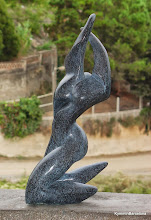


 '13 Untitled (Sally) 51,668;
'12 Barcelona Clash 51,878;
'11 Mojo Madness 52,793;
'10 Changing Directions 53,400;
'09 Daybreak 56,565;
'08 Vacant 52,486
'13 Untitled (Sally) 51,668;
'12 Barcelona Clash 51,878;
'11 Mojo Madness 52,793;
'10 Changing Directions 53,400;
'09 Daybreak 56,565;
'08 Vacant 52,486